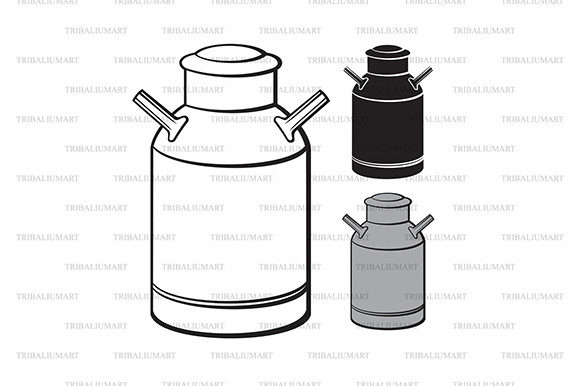
Retro Aluminum Milk Can Review
When I first opened the download folder for Retro Aluminum Milk Can, my immediate thought wasn't about the file formats or the vector precision. It was about the vibe. There is a specific nostalgia that hits you when you see this design—a warm, rustic feeling that screams farmhouse chic and artisanal quality. As someone who has stitched hundreds of designs for clients ranging from local boutiques to large commercial accounts, I know that a successful embroidery project starts with the right mood. This design delivers exactly that: a clean, nostalgic aesthetic that feels timeless yet fresh.
The Retro Aluminum Milk Can isn't just another clip art graphic; it is a machine embroidery design that understands its audience. Whether you are an Etsy seller looking to expand your shop's inventory or a hobbyist wanting to create a unique personalized gift, this piece offers a solid foundation. The illustration style captures the essence of vintage dairy packaging without becoming cluttered. It strikes a balance between detailed enough to look professional and simple enough to stitch cleanly on various fabric types.
Real-World Application: From Screen to Stitch
I recently tested this design for a practical scenario: creating a line of custom kitchen textiles for a small boutique client. They wanted something that evoked memories of grandma's country kitchen but with a modern twist. The Retro Aluminum Milk Can was the perfect candidate. I imagined stitching it onto heavy-duty canvas aprons and flour sack tea towels. The visual personality of the can fits naturally into a culinary theme, making it an ideal choice for kitchen towel projects or even as a decorative element on a chef's hat.
In terms of embroidery project versatility, this design shines in several areas. For apparel decorators, placing this on a crewneck sweatshirt creates a striking statement piece. The retro theme pairs beautifully with denim jackets or flannel shirts, adding a touch of character to custom apparel. If you are working on baby items, the soft, rounded shapes translate well to baby embroidery projects like onesies or bibs, provided the scale is adjusted correctly. The design also works exceptionally well as a standalone embroidered patch for backpacks or beanies, offering a durable way to add flair to everyday gear.
For craft fair products, this design has high market appeal. Shoppers at handmade markets love items that tell a story, and the milk can motif suggests freshness, purity, and tradition. It elevates a simple tote bag into a branded tote bag design that customers want to carry around. When used on pillow covers or nursery decor, it adds a whimsical yet grounded element to the room's aesthetic. The key here is how the design integrates with the product itself; it doesn't feel pasted on, but rather like it belongs there.
Navigating Technical Challenges and Fabric Choices
While the artistic vision is strong, any experienced designer knows that execution matters just as much. The Retro Aluminum Milk Can requires careful consideration regarding stitch density and hoop size. Because the design features distinct lines and potential fill areas, testing on scrap fabric is non-negotiable. You need to ensure that the satin stitch edges lay flat and do not pucker, especially if you are working with lighter weight fabrics.
There are specific scenarios where this design might need extra attention. If you plan to use this on stretchy fabric like jersey knit, you must use a stabilizer that provides enough support to prevent distortion. Similarly, working on textured fabrics like fleece or terry cloth can sometimes obscure fine details. In these cases, the clarity of the running stitch elements might get lost if the thread count is too low. I recommend checking the thread colors carefully against the background. High contrast is essential for the retro look to pop; muted tones might make the design appear muddy after stitching.
Small hoop sizes present another challenge. If you attempt to stitch this on a tiny item like a cap brim or a small pocket, the detailed corners of the aluminum can might not render perfectly. The curves could become jagged, losing the smooth, metallic illusion intended by the original Illustrations. For curved surfaces like caps, you may need to adjust the digitization or choose a larger placement area to maintain the integrity of the shape. Additionally, if the product requires frequent washing, such as workwear or children's clothing, ensure that the fill stitch areas are dense enough to withstand friction without fraying.
Elevating Brand Consistency and Product Value
One of the most critical aspects of selling handmade goods is maintaining a consistent brand identity. The Retro Aluminum Milk Can design supports a cohesive look across different small shop products. Whether you are selling holiday gifts, wedding favors, or boutique branding materials, this design acts as a reliable anchor. It conveys professionalism and attention to detail, which directly impacts customer trust.
When a customer sees a high-quality finished product featuring this design, they perceive higher value. A well-stitched embroidery file signals that care was taken during production. This perception is crucial for Etsy sellers and creative entrepreneurs who rely on visual presentation to drive sales. Using this design in printable mockups before actual production allows you to preview how the final item will look, helping you avoid costly mistakes and ensuring the design assets meet your standards.
The design also enhances the giftability of your items. A personalized gift featuring a nostalgic motif often resonates more deeply than generic patterns. It sparks conversation and emotional connection, which is why it performs so well in commercial embroidery contexts where personalization is key. However, remember that the success of the final product depends on your preparation. Always confirm licensing terms before selling finished items or digital products derived from this source.
Essential Designer Notes for Success
To get the most out of the Retro Aluminum Milk Can, follow these practical steps before committing to a full production run. First, always test the design on scrap fabric that matches your intended project material. This helps you gauge how the fabric texture interacts with the stitches. Second, review the stitch density in your software. If the design feels too heavy, consider reducing the fill percentage slightly to prevent bulkiness, particularly on thinner materials.
Inspect the small details closely. Are the outlines crisp? Do the digital embroidery file paths close properly to prevent thread breaks? It is also wise to test the design in black and white mockups to ensure the composition holds up without color distraction. Compare light and dark fabric backgrounds to see how the thread choices affect visibility. Using the proper stabilizer is vital; back your fabric with cut-away stabilizer for stability, especially on stretchy or delicate materials.
Finally, verify whether the license allows for both personal and commercial use. Many designers overlook this step until it is too late. Ensure you understand the rights associated with the Graphics you are purchasing. By taking these precautions, you transform a simple download into a polished, market-ready asset. With the right approach, the Retro Aluminum Milk Can becomes more than just a picture; it becomes a staple in your repertoire of craft business tools, ready to bring warmth and style to your next creation.