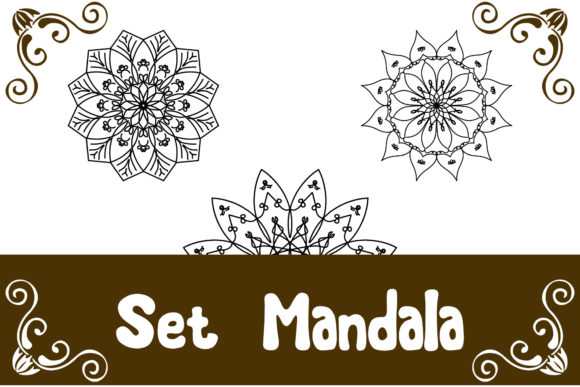
Mandala Retro Collection Set Review
When I first opened the Mandala Retro Collection Set, I wasn't just looking at a pretty picture; I was immediately thinking about the hoop, the fabric, and the final stitched result. As someone who has spent years testing digital assets for real-world embroidery projects, my first impression of this design set is one of strong visual personality. The retro mandala theme creates an immediate mood that feels nostalgic yet fresh, perfect for makers who want to add a touch of bohemian flair to their handmade products. It isn't just another generic pattern; it has a specific rhythm and flow that suggests it belongs on items meant to be seen and appreciated.
The layout and detail level are where this Illustrations category truly shines when translated into a physical medium. The symmetry inherent in mandalas offers a balanced structure that works exceptionally well for central placements on apparel or home decor. However, the "retro" aspect brings a unique texture that requires careful consideration during the digitizing or stitching process. Before I committed to using these files in a client project, I had to ask myself: does this design translate well from a 2D vector into 3D thread? The answer, based on my experience with similar embroidery files, is yes, provided you understand how to handle the fill stitches.
From Digital File to Finished Product
Let me walk you through a realistic scenario. Imagine you are preparing a custom embroidered tote bag for a local craft fair or an Etsy listing. You have chosen a sturdy canvas material, perhaps in a neutral beige or soft cream color, and you decide to use the Mandala Retro Collection Set as the centerpiece. The goal is to create a piece that feels professional enough to command a higher price point but retains that artisanal charm that buyers love.
In this context, the design's visual appeal becomes critical. When stitched onto the canvas, the mandala's intricate lines can either pop beautifully or get lost if the stitch density is too high. My observation is that this design excels on medium-to-large surfaces like tote bags, sweatshirts, and aprons. The geometric nature of the mandala holds up well against the natural weave of these fabrics. If you were to apply this to a baby item, like a onesie or a small bib, the retro style would offer a trendy alternative to traditional floral motifs, appealing to modern parents looking for something unique for their nursery decor.
However, the transition from digital preview to finished product depends heavily on your execution. When I reviewed the file properties, noting the 1920px x 1280px canvas size, I realized the resolution is ample for high-quality output. But remember, a high-resolution graphic does not guarantee a high-quality stitch unless the underlying machine embroidery design logic is sound. For a commercial embroidery project, such as branding boutique merchandise, the consistency of the design across multiple units is what builds customer trust. The Mandala Retro Collection Set provides a consistent visual identity that can elevate a small shop product from a hobbyist attempt to a recognizable brand asset.
Navigating Fabric and Surface Challenges
Not every surface is created equal, and understanding where to use this design is just as important as knowing where to avoid it. While the mandala shape is versatile, there are specific scenarios where caution is required. If you are working with textured fabrics, such as heavy denim or boucle wool, the fine details of the retro pattern might get swallowed by the fabric's nap. Similarly, on thin or stretchy fabrics, the tension required to hold the dense fill stitches could cause puckering, ruining the clean look of the mandala.
Curved surfaces present another challenge. Using this design on caps or hats requires precise mapping. A mandala is inherently circular and symmetrical, which can sometimes clash with the curvature of a cap front panel if not adjusted correctly. For best results, I recommend reserving this design for flat or gently curved areas like pillow covers, kitchen towels, or the chest area of a sweatshirt. Avoid placing it on tiny lettering or decorative accents where the detail might become indistinguishable after stitching.
Dark fabrics also demand attention. The contrast between the thread colors and the background is vital for the design to stand out. If you plan to embroider this on black or navy fabric, ensure you select thread colors that provide sufficient opacity and brightness. A light pastel mandala might disappear against a dark background, whereas a vibrant, saturated palette will maintain the retro vibe effectively. This is a crucial step in maintaining the professional presentation of your finished product.
Practical Notes for the Embroidery Designer
If you are planning to integrate the Mandala Retro Collection Set into your workflow, whether for personal gifts or selling finished items, there are several technical checks you must perform. First and foremost, always test the design on scrap fabric before committing to your final piece. This simple step allows you to gauge the stitch density and see how the stabilizer interacts with your chosen material.
Review the stitch types closely. Mandala designs often rely on a combination of satin stitch for outlines and fill stitch for the interior patterns. Ensure that the satin stitch edges are crisp and that the fill stitch coverage is even without creating excessive bulk. If the design includes any running stitch elements, verify that they are long enough to prevent thread breakage but short enough to maintain the pattern's integrity. Checking the design in black and white mockups can also help you visualize the value and contrast before you even thread the machine.
Licensing is another non-negotiable aspect for anyone operating a craft business. Since you are receiving this as a digital product, likely containing AI and EPS files, you need to confirm the terms regarding commercial use. Can you sell the finished embroidered items? Are you allowed to modify the design for different clients? Clarifying these points protects your craft business from legal issues and ensures you are using the design assets ethically.
Finally, consider the end-user experience. Products featuring the Mandala Retro Collection Set should be durable. Frequent washing can take a toll on embroidery, especially if the thread colors are not colorfast or if the stabilizer was not removed properly. By paying attention to these details, you ensure that your customers receive a high-quality handmade product that stands the test of time.
In conclusion, the Mandala Retro Collection Set is a robust addition to any designer's library. Its retro aesthetic offers a distinct visual identity that can enhance everything from holiday gifts to boutique branding. By approaching the digitization and stitching process with care—testing on scraps, managing fabric textures, and respecting licensing terms—you can transform these digital illustrations into stunning physical realities. Whether you are an Etsy seller looking to expand your catalog or a hobbyist creating personalized gifts, this set provides the foundation for professional-looking embroidery work that resonates with buyers.