Vintage Retro Barista Sublimation Design Review
I have spent years stitching, designing, and reviewing digital assets for the craft community. When I first opened the Vintage Retro Barista Sublimation Design, my initial reaction was a mix of curiosity and caution. On paper, it promises a nostalgic vibe that fits perfectly with the current trend of retro aesthetics in handmade goods. However, as an experienced designer, I know that a pretty preview image does not always translate to a clean stitch on fabric. This review is based on how this specific design behaves when moved from a screen to a hoop, focusing on its real-world application for embroidery projects.
The First Impression: Mood and Visual Personality
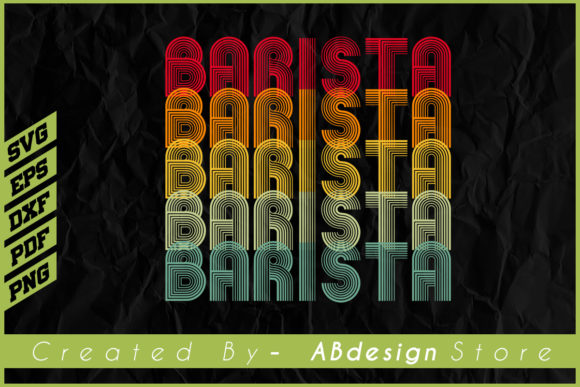
The Vintage Retro Barista Sublimation Design immediately evokes a sense of warmth and artisanal craftsmanship. The layout suggests a classic coffee shop aesthetic, likely featuring bold typography and perhaps a stylized cup or steam element typical of mid-century modern graphics. For an embroidery file, the mood is crucial because it dictates the entire feel of the finished product. Unlike busy, chaotic designs, this one seems to lean towards a cleaner, more curated look. It feels like something you would see on a high-end boutique apron or a carefully curated tote bag rather than a mass-produced souvenir.
When evaluating the visual personality, the design strikes a balance between professional and approachable. It has the potential to elevate a simple garment into a statement piece. The retro elements suggest a connection to heritage and quality, which resonates well with customers who value authenticity. However, the success of this embroidery project relies heavily on how well the details hold up under the needle. A design that looks great in vector form can sometimes lose its charm if the stitch density is too high or the lettering is too tight for the chosen fabric.
Real-World Application: From Screen to Stitch
To truly understand the utility of this asset, I imagined using the Vintage Retro Barista Sublimation Design for a specific client request: creating a custom embroidered tote bag for a local coffee roaster. The goal was to produce a limited edition run for their holiday gift set. In this scenario, the design needed to be durable, legible, and visually striking without overwhelming the canvas of the bag.
If executed correctly, this design would perform admirably on heavy-duty cotton or canvas materials. The retro style pairs naturally with earth tones like olive green, mustard yellow, or deep navy thread colors. Imagine the contrast of a cream-colored background with a dark, rich brown satin stitch outlining the coffee cup motif. That kind of color story creates a premium feel that justifies a higher price point for the handmade product.
Beyond tote bags, this design is versatile enough for other apparel categories. It could work beautifully on a sweatshirt embroidery project for a cozy winter collection or even on a baby item like a onesie, provided the scale is adjusted appropriately. The "Barista" theme is universally appealing, making it a safe bet for personalized gifts for teachers, baristas, or anyone who loves coffee culture. The design's ability to fit into various contexts—from commercial embroidery for small businesses to unique items for an Etsy listing—is one of its strongest assets.
Where to Exercise Caution
While the potential is high, there are specific scenarios where the Vintage Retro Barista Sublimation Design requires careful handling. Embroidery is a physical medium, and digital files do not account for every variable in the sewing room. One major concern is the use of this design on small hoop sizes. If the original artwork contains intricate details or very small lettering, shrinking it down to fit a 4x4 hoop might result in a muddy mess where individual stitches merge together.
Textured fabrics present another challenge. While a smooth cotton twill is ideal, attempting to stitch this design on a rough linen or a fuzzy fleece might cause the threads to snag or the detail to get lost in the weave. Similarly, stretchy fabrics like standard t-shirt knits require a stabilizer that matches the stretch of the material; otherwise, the stitch density of the design could pucker the fabric, ruining the drape of the garment.
Dark fabrics also demand attention. If the design relies on fine lines or light-colored fills, they may disappear against a black background unless a high-quality underlay or a contrasting outline is used. Furthermore, curved surfaces like caps can distort the geometry of a flat design. If the embroidery file was optimized for a flat surface, applying it to a curved cap brim might make the text appear warped. Always test the design on scrap fabric first to ensure the proportions remain true to the original vision.
Technical Considerations for the Designer
Before committing to a full production run, I strongly advise reviewing the technical specifications of the Print Templates and Graphics included in your download. Check the file formats available—whether you have SVG, EPS, PNG, DXF, or PDF—to ensure compatibility with your digitizing software or machine. While the product description mentions these formats, verifying the actual resolution and DPI is essential for clarity.
Stitch density is another critical factor. High-density fill stitches can add significant weight to a garment, potentially causing sagging on lightweight fabrics. Conversely, low density might leave gaps in the coverage, making the design look unfinished. Inspect the satin stitch areas closely; they should be tight and smooth without excessive thread breaks. If the design includes tiny letters or decorative accents, consider enlarging them slightly during the digitizing process to ensure they remain readable after washing.
Don't forget to check the licensing terms. Many sellers assume that purchasing a digital file grants unlimited commercial rights, but this varies by creator. Confirm whether you are allowed to sell finished items made with the Vintage Retro Barista Sublimation Design or if the license restricts you to personal use only. This distinction is vital for protecting your craft business and avoiding legal issues.
Impact on Brand and Customer Trust
The quality of your embroidery directly influences customer trust. A sloppy execution of a popular design can damage a brand's reputation, while a crisp, well-executed version can turn a casual buyer into a loyal advocate. The Vintage Retro Barista Sublimation Design has the inherent appeal to create a strong visual identity for a boutique or a home-based seller. When done right, it signals professionalism and attention to detail.
Customers buying custom apparel or holiday gifts often look for uniqueness. A design that captures the essence of a specific lifestyle, like the barista culture, helps the product stand out in a crowded marketplace. By ensuring that the finished product meets high standards, you enhance the perceived value of the item. This allows you to command better prices and build a stronger connection with your audience.
Final Thoughts on Practical Use
In conclusion, the Vintage Retro Barista Sublimation Design is a promising asset for designers looking to add a touch of nostalgia to their portfolio. Its retro aesthetic makes it suitable for a wide range of applications, from tote bag design to kitchen towel embroidery. However, success depends entirely on the execution. Pay close attention to fabric selection, stabilizer choice, and hoop size to avoid common pitfalls.
For those running a small shop product line or preparing for a craft fair, this design offers a solid foundation. Just remember to test thoroughly, respect the limitations of the medium, and always prioritize the integrity of the stitch work over speed. With the right preparation, this design can become a staple in your collection of design assets, helping you create memorable and profitable projects for years to come.