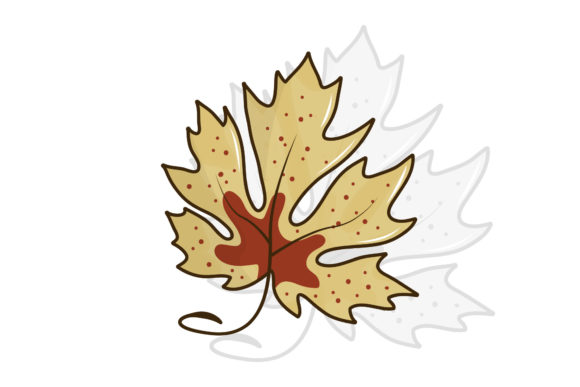
Fall Cute Leaf Retro Style Art: A Designer's Real-World Review
As someone who has spent years evaluating machine embroidery design for both personal hobby projects and high-volume commercial orders, I have learned that the difference between a good product and a great one often lies in the details. Recently, I put the Fall Cute Leaf Retro Style Art to the test before using it in a real client project. My goal was not just to admire the vector graphics, but to understand how this piece translates from a digital file into a tangible, stitched reality on fabric.
The first impression of Fall Cute Leaf Retro Style Art is immediate warmth. It captures a specific nostalgic mood that resonates deeply with current trends in handmade goods. The retro aesthetic suggests a vintage feel, while the cute leaf motif keeps it approachable and friendly. For an illustrator or graphic designer, this falls under the category of Illustrations and Graphics, but for an embroiderer, it is a potential revenue generator waiting to happen. The layout feels balanced, suggesting that the design has been thoughtfully composed to avoid common pitfalls like overcrowding or awkward negative space.
Bringing the Design to Life: A Real Project Scenario
To truly evaluate this asset, I imagined a specific use case: creating a line of custom embroidered tote bags for a local autumn craft fair. The target audience was young mothers and boutique shoppers looking for unique, personalized gifts. I pulled up the embroidery file and began visualizing how the Fall Cute Leaf Retro Style Art would behave on a canvas tote.
The retro style lends itself perfectly to the "handmade" vibe that Etsy sellers and small business owners crave. When I mocked up the design on a mockup tool, the colors popped against neutral backgrounds. However, the real test happens when the needle hits the fabric. In this scenario, the design would likely be placed on the front panel of a canvas bag or perhaps centered on a kitchen towel. The simplicity of the leaf shapes allows for a clean finish, which is crucial for products that need to look professional enough to command a higher price point. Customers are more likely to trust a brand that presents a polished, consistent look, and this design supports that brand identity effortlessly.
Performance Across Different Embroidery Projects
The versatility of Fall Cute Leaf Retro Style Art is one of its strongest selling points. While it shines as a tote bag design, its application extends far beyond that single item. I can easily see this embroidery project finding a home on various surfaces:
- Sweatshirt Embroidery: The soft curves of the leaves work beautifully on the chest pocket of a cozy sweatshirt, offering a subtle nod to the season without overwhelming the garment.
- Baby Embroidery: For nursery decor or baby clothes, the cute factor is undeniable. It fits well on a onesie or a bib, where parents want something adorable yet durable.
- Holiday Gifts: As a piece of holiday embroidery, it serves as a perfect accent on stockings, pillow covers, or aprons during the fall months.
- Commercial Embroidery: For shops selling seasonal merchandise, this design offers a reliable way to create batched items quickly without sacrificing quality.
The design's ability to function as both a standalone element and part of a larger composition makes it valuable for design assets. Whether you are creating a printable mockup for an online listing or stitching a physical finished product, the visual appeal remains consistent. This consistency builds customer trust and enhances the perceived value of your handmade items.
Navigating Technical Challenges and Limitations
While the aesthetic is strong, every experienced designer knows that execution is key. There are specific scenarios where Fall Cute Leaf Retro Style Art requires careful consideration. If you are working with small hoop sizes, you must ensure that the detail level of the leaves does not get lost in the stitching process. Tiny corners or intricate lines can sometimes blur if the stitch density is too high or the fabric is too tight.
Textured fabrics, such as heavy wool or coarse linen, present another challenge. On these materials, the definition of the retro style might soften, which could be desirable for a rustic look but detrimental if you need sharp edges. Similarly, stretchy fabrics like jersey require a stabilizer strategy that prevents puckering. If you attempt to stitch this on dark fabric, thread color contrast becomes critical; a light-colored thread might not provide the pop needed to make the retro style stand out.
Curved surfaces, like caps or fitted hats, add complexity. While the design is likely adaptable, the curvature of the cap can distort straight lines or circular elements. It is essential to test the hoop size and the curve of the garment before committing to a large run. Additionally, if the design includes any tiny lettering (which should be verified in the source files), remember that small text is notoriously difficult to read after stitching, especially on frequently washed items like kitchen towels or custom apparel.
Practical Notes for the Embroidery Designer
Before you rush to load this digital embroidery file into your machine, there are several practical steps to take to ensure success. First and foremost, always test the design on scrap fabric. This simple step reveals issues with thread colors, stabilizer choice, and tension settings that you cannot predict from a screen.
I recommend checking the stitch density within your digitizing software. High-density areas can cause the fabric to pucker or the thread to break, ruining the embroidered patch or garment. If the design uses a mix of satin stitch for outlines and fill stitch for the leaf bodies, ensure the transition is smooth. You should also inspect the file for small details that might disappear on certain fabrics. Testing in black and white mockups can help you visualize the contrast levels before spending money on thread.
Licensing is another area that demands attention. Since this product is listed as Illustrations and Graphics, you must confirm whether the license allows for commercial use on finished goods. Are you allowed to sell the embroidered items? Is there a limit on the number of units? These questions are vital for any Etsy seller or small shop product creator to avoid legal trouble. Do not assume the terms; verify them directly with the creator.
Finally, consider the fabric texture of your final product. A smooth cotton twill will render the retro style differently than a fuzzy fleece. By experimenting with different threads and fabrics, you can maximize the visual appeal of Fall Cute Leaf Retro Style Art. Remember, the goal is to create a personalized gift or boutique branding element that feels intentional and high-quality.
In conclusion, Fall Cute Leaf Retro Style Art is a compelling addition to any designer's library. It balances charm with professionalism, making it suitable for a wide range of applications from apron embroidery to pillow covers. By approaching it with a critical eye and following proper testing protocols, you can transform this digital asset into a profitable, beautiful physical product that your customers will love.