Retro Vintage Sunset 13: A Designer's Real-World Embroidery Review
As someone who has spent years turning digital files into tangible, stitched treasures for clients and my own shop, I approach every new download with a mix of excitement and skepticism. There is nothing worse than opening an embroidery file only to find it falls apart under the needle or looks muddy on fabric. Today, I am putting Retro Vintage Sunset 13 through its paces. This isn't just another graphic; it is a piece of visual history waiting to be stitched. Whether you are an Etsy seller looking for your next bestseller or a crafter making a personalized gift, understanding how this design translates from screen to thread is crucial.
The First Impression: Mood and Visual Personality
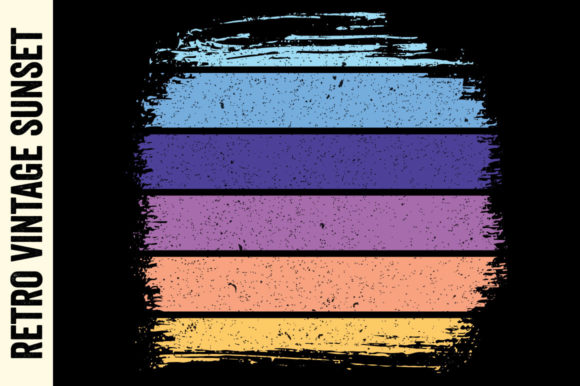
When you first load Retro Vintage Sunset 13, the immediate feeling is one of warmth and nostalgia. The layout captures that specific mid-century aesthetic that has been dominating trends for the last few years. It feels like a postcard from a summer evening in 1975. The shapes are clean, and the composition suggests a sunset over a calm horizon, likely featuring stylized waves or hills.
From a design perspective, the strength here lies in its simplicity. It does not try to be hyper-realistic, which is actually a smart move for machine embroidery. Too much detail often gets lost in the stitching process, but this design seems to rely on bold forms and clear negative space. For a machine embroidery design, this balance is everything. It promises a finished product that looks intentional rather than cluttered. The mood is inviting and relaxed, making it perfect for casual wear or home decor items where you want to evoke a sense of comfort.
Real-World Application: From File to Finished Product
Let me take you through a scenario I encounter often. Imagine you are preparing a batch of custom tote bags for a local craft fair. You need something that stands out on a shelf but doesn't scream "mass-produced." You decide to use Retro Vintage Sunset 13 on a natural canvas tote. The contrast between the rustic fabric and the vibrant retro colors would create a striking effect.
In this context, the design acts as a focal point. Unlike a tiny logo on a chest pocket, this piece is substantial enough to cover a good portion of the bag without overwhelming it. When stitched, the satin stitch areas should provide a smooth, glossy finish that catches the light, while any fill stitch sections add texture that invites people to touch the item. For a small business owner, this kind of tactile quality builds trust. Customers can feel the craftsmanship, which justifies a higher price point for your handmade product.
I also see this design thriving on sweatshirts and baby clothes. The soft, rounded nature of a sunset motif is gentle enough for nursery decor or a baby onesie, yet cool enough for a unisex hoodie. If you are an Etsy seller, listing this as part of a "Summer Collection" or "Vintage Vibes" bundle could significantly boost engagement. The design fits seamlessly into a narrative of relaxation and summer memories, which resonates well with buyers looking for emotional connections in their purchases.
Where Caution Is Required: Fabric and Hoop Constraints
However, no design is universal, and Retro Vintage Sunset 13 has its limitations. As an experienced reviewer, I must warn you about where this design might struggle. If you plan to use this on a curved surface like a baseball cap, you will need to pay close attention to the hoop size and the stabilizer used. Curved surfaces distort flat designs, and if the sunburst or wave elements are too wide, they might look stretched or misaligned at the edges.
Similarly, textured fabrics can be tricky. While the design is simple, if you choose a heavy, nubby linen or a thick fleece, the details might get swallowed up by the fabric weave. In such cases, the thread colors need to be chosen very carefully to ensure they pop against the background. Dark fabrics require a high-contrast thread palette; otherwise, the subtle gradients of the sunset could disappear entirely.
Another critical area is small hoop sizes. If you are creating a mini patch or embroidering onto a small hat brim, check the dimensions of Retro Vintage Sunset 13 before you start. Dense stitch areas in a small space can lead to puckering, especially if the stitch density is high. Always test the design on scrap fabric first to see how the layers interact. If the design includes tiny lettering or fine lines, verify that these elements are legible after stitching. Sometimes what looks sharp on a monitor becomes a blur on cotton.
Impact on Brand and Customer Perception
The choice of design directly influences the perceived value of your project. A well-executed embroidery file signals professionalism. When a customer receives a personalized gift or a boutique item, they judge the quality based on the neatness of the stitches and the clarity of the image. Retro Vintage Sunset 13, with its clean lines and nostalgic theme, elevates the perceived quality of the item.
For commercial projects, consistency is key. Using this design across different products—like aprons, kitchen towels, and pillow covers—creates a cohesive brand identity. It tells a story of vintage charm and quality craftsmanship. This consistency helps in building recognition among your target audience. Whether you are selling custom apparel or digital embroidery files, having a signature style that customers can identify is invaluable.
Furthermore, the versatility of the design allows for creative marketing. You can create printable mockups showing the design on various backgrounds to attract buyers. The retro aesthetic appeals to a broad demographic, from Gen Z lovers of vintage trends to older generations who appreciate classic styles. This broad appeal increases the potential market size for your craft business.
Practical Notes for the Embroidery Designer
Before you hit the "Start" button on your machine, there are several technical checks you must perform. First, confirm the hoop size requirements. If the design is large, you may need a larger hoop or multiple hooping steps, which can affect alignment. Second, review the stitch density. High-density designs require strong stabilizers to prevent the fabric from pulling or distorting during the process.
Always inspect the small details. Zoom in on the file to ensure that the corners of the design are not too sharp or fragile, as these can break easily during trimming. Test the design in black and white mockups to check the balance of light and dark areas. This helps you visualize how the thread colors will interact with your fabric choice.
Finally, do not skip the licensing check. If you intend to sell finished items made with Retro Vintage Sunset 13, you must confirm that the license allows for commercial use. Some graphics are for personal use only. Ensure you have the rights to produce and sell the finished product derived from this design asset. Also, consider using proper stabilizer for the specific fabric type you are working with to ensure the longevity of the embroidery, especially for items that will undergo frequent washing.
In conclusion, Retro Vintage Sunset 13 is a strong contender for your next project. It balances aesthetic appeal with practical embroidery considerations. By understanding its strengths and respecting its limitations, you can create stunning embroidery projects that delight your customers and enhance your brand. Happy stitching!