Vintage Retro Sunset 23: A Designer's Real-World Embroidery Review
When I first opened the file for Vintage Retro Sunset 23, I didn't just see a graphic; I saw a specific kind of nostalgia that is currently dominating the handmade market. As someone who has stitched hundreds of designs for client projects and my own boutique, I know that not every digital asset translates well to thread. Some look great on a screen but fall apart under the needle. This design, categorized under Print Templates and Graphics, caught my eye immediately because of its distinct mood. It feels like a warm evening in the late seventies, evoking feelings of comfort, relaxation, and classic Americana.
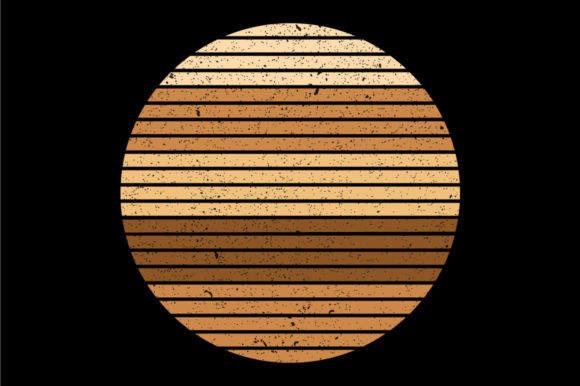
The visual personality of Vintage Retro Sunset 23 is bold yet inviting. The layout relies heavily on the interplay between the setting sun and the horizon lines, creating a sense of depth that is crucial for embroidery. Unlike flat vector art, this design promises texture through its potential use of fill stitches and satin strokes. For an embroiderer, the first question is always about clarity. Does the design have enough negative space to breathe? Does it rely too heavily on tiny details that will get lost in the stitching process? My initial assessment suggests that this piece strikes a fine balance, making it a strong candidate for everything from custom apparel to home decor items.
From Screen to Stitch: How It Performs in the Hoop
To truly understand the value of Vintage Retro Sunset 23, we have to move past the digital mockup and imagine it on actual fabric. Let's say I am preparing a custom embroidered tote bag for a local craft fair. I need something that stands out on a shelf but doesn't overwhelm the canvas material. The retro theme fits perfectly here. The warm color palette of the sunset—likely oranges, pinks, and purples—would pop beautifully against a natural cotton or a deep navy background. However, the success of this project depends entirely on how the machine handles the stitch density.
In a real-life scenario, I would test this design on a scrap piece of the intended fabric before committing to the final product. When working with machine embroidery design files, especially those with large fill areas, the tension can be tricky. If the design uses too much fill stitch without adequate stabilizer, the fabric might pucker around the edges of the sun. Conversely, if the satin stitch work on the outlines is too dense, it could create a stiff, uncomfortable feel on a garment like a sweatshirt. Based on the aesthetic of the Vintage Retro Sunset 23 graphics, it seems designed to accommodate a medium-density stitch pattern, which is ideal for durability without sacrificing the soft hand-feel that customers expect from high-quality handmade products.
I also considered using this design for baby clothes or nursery decor. The soft, rounded shapes of the retro sun are gentle and non-threatening, making them perfect for a onesie or a blanket. In these applications, the running stitch details often found in vintage designs add a lovely touch of delicacy. However, when sizing down for a baby item, one must be careful. If the original file includes tiny text or intricate linework, shrinking the hoop size too much could result in a muddy mess where individual threads merge together. For a small shop product like a personalized gift, clarity is king. The viewer needs to instantly recognize the sunset motif, and Vintage Retro Sunset 23 appears to maintain its identity even at smaller scales, provided the digitization was done correctly.
Navigating Fabric Challenges and Design Limitations
Not every surface is created equal, and knowing where to apply caution is what separates a novice from a professional. While Vintage Retro Sunset 23 is versatile, there are specific scenarios where you should proceed with care. Textured fabrics, such as heavy corduroy or bouclé, can hide the fine details of the design. On thin or stretchy materials like jersey knit t-shirts, the stability of the design becomes critical. Without proper backing, the embroidery file might distort, causing the horizon line to wobble or the sun to lose its circular symmetry.
Dark fabrics present another challenge. To make the colors of the sunset visible, you will likely need a high-quality thread choice with good coverage. If the design relies on light pastel tones, they may require a white underlay or a lighter base fabric to prevent them from looking dull or grayish. Similarly, curved surfaces like caps or hats require a specific approach. While the retro theme works well on a baseball cap, the curvature can sometimes compress the top of the design, making the sun appear squashed. In these cases, checking the design assets for a "cap mode" conversion or adjusting the placement within the hoop size is essential.
There are also areas where the design might struggle visually. If the file contains very small lettering or decorative accents in the corners, these elements are prone to getting lost during the washing process. Frequent washing is common for items like aprons, kitchen towels, and holiday gifts. If the thread colors are not colorfast or if the stitch density is too low, the design might fade or fray quickly. For commercial embroidery projects intended for resale, longevity is a key factor in customer trust. A design that looks beautiful on day one but fades by week three damages your brand reputation. Therefore, inspecting the small details and ensuring the design is robust enough for daily wear is a non-negotiable step.
Strategic Placement for Maximum Impact
The versatility of Vintage Retro Sunset 23 extends beyond simple clothing. Imagine a boutique branding campaign where this design is used on pillow covers, tea towels, and even embroidered patches. The retro aesthetic lends itself well to a cohesive brand identity. For an Etsy seller, having a consistent look across different printable mockups helps build recognition. When customers see the same sunset motif on a tote bag, a hat, and a kitchen towel, they perceive a level of professionalism and attention to detail.
This design is particularly effective for holiday gifts. The warm tones evoke feelings of coziness associated with autumn and winter holidays. Whether it is a personalized gift for a grandmother or a festive addition to a family sweater, the emotional connection is strong. For digital product sellers offering digital embroidery files, this design offers excellent utility. It can be used to create a variety of finished products that appeal to a wide demographic, from hobbyists looking for a weekend project to serious craft business owners scaling their operations.
However, before you start selling or gifting, there are practical steps you must take. Always test the design on scrap fabric first to check for any unexpected issues with thread breaks or puckering. Review the stitch density to ensure it matches the capabilities of your machine and the thickness of your fabric. Confirm whether the embroidery project is licensed for both personal and commercial use, as this varies by creator. If you are unsure about the exact stitch count or file formats, do not guess; reach out to the designer or check the product description thoroughly. Using unverified specifications can lead to costly mistakes and wasted materials.
In conclusion, Vintage Retro Sunset 23 is more than just a pretty picture; it is a functional tool for creative entrepreneurs. Its retro charm, combined with a structure that seems suitable for various textile applications, makes it a valuable addition to any designer's library. By understanding its strengths and respecting its limitations, you can transform a simple digital file into a stunning, tangible piece of art that brings joy to your customers and adds value to your brand. Whether you are decorating a sweatshirt, creating a unique patch, or launching a new line of home goods, this design offers a solid foundation for success.