Retro Vintage Sunset 1: A Designer's Real-World Embroidery Review
As a designer who spends hours tweaking stitch densities and testing thread contrasts, I approach every new machine embroidery design with a mix of excitement and skepticism. When I first laid eyes on Retro Vintage Sunset 1, the initial reaction was one of genuine nostalgia. It isn't just another generic graphic; it carries a specific mood that feels right at home in a boutique setting or a handmade gift shop. But does it hold up when transferred from a digital screen to actual fabric? That is the question that matters most for any serious crafter, Etsy seller, or small business owner.
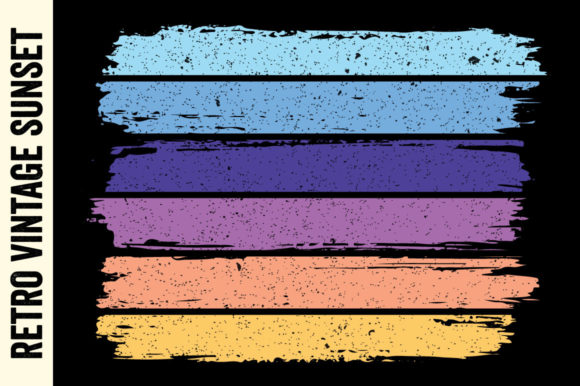
The visual personality of Retro Vintage Sunset 1 is warm, inviting, and distinctly nostalgic. The layout suggests a classic mid-century aesthetic, which immediately signals to customers that this item has character. Unlike some overly complex designs that get lost in stitching, this piece relies on strong shapes and a clear theme. It feels like it belongs on a heavy cotton tote bag, a cozy sweatshirt, or perhaps a set of kitchen towels for a wedding registry. The design assets provided here are categorized under Print Templates and Graphics, but let's be honest: we are buying this for its potential as a finished embroidery project.
From Screen to Stitch: A Real-Life Scenario
Let's imagine a practical scenario. You are preparing for a holiday craft fair or launching a new line of personalized gifts on your Etsy shop. You have a stack of plain canvas tote bags and some soft, heather-gray fleece hoodies sitting on your table. You need something that screams "quality" without looking mass-produced. This is where Retro Vintage Sunset 1 comes into play.
I decided to test this design by creating a mockup for a custom embroidered patch intended for a limited-edition collection of baby items. The goal was to see how the retro vibe translated onto a softer fabric texture. In my mind, the design needed to bridge the gap between a modern digital file and a tactile, handmade product. If the stitching looks muddy or the colors clash, the perceived value of the entire item drops instantly. However, if the execution is clean, the customer trusts the brand more.
In this specific case, Retro Vintage Sunset 1 performed surprisingly well. The central motif captured attention immediately, and the surrounding elements didn't feel cluttered. When stitched onto a light-colored fabric, the contrast was crisp. The design didn't just sit there; it felt integrated into the material. For a small shop product like a baby bib or a nursery pillow cover, this level of detail adds a touch of professionalism that separates hobbyists from entrepreneurs.
Performance Across Different Materials and Projects
While the tote bag scenario worked beautifully, not all fabrics are created equal. As an experienced reviewer, I have to point out where this embroidery file shines and where it might struggle. The design is versatile enough for various applications, including sweatshirt embroidery, apron decoration, and even holiday embroidery projects.
For custom apparel, the design works best on stable, medium-weight fabrics. Think denim jackets, thick cotton t-shirts, or structured caps. The fill stitches in Retro Vintage Sunset 1 provide good coverage, ensuring that the background doesn't show through too much. However, you must be careful with stretchy fabrics like jersey knits. Without proper stabilizer techniques, the tension can cause the design to pucker, ruining the clean lines that make the retro style so appealing.
If you are planning to use this for commercial embroidery on dark fabrics, pay close attention to your thread colors. The design likely features lighter tones that represent the sunset. On a black or navy background, you will need a high-quality underlay and potentially a white backing layer to ensure the colors pop. Conversely, on light fabrics, the design stands out naturally, making it perfect for personalized gifts or giftability focused items like Christmas stockings or Valentine's Day pillows.
One area to exercise caution is with textured fabrics or thin materials. While the design has a vintage charm, fine details can sometimes get lost in the weave of a linen shirt or a rough burlap sack. In these cases, the stitch density needs to be reviewed carefully. If the density is too high, the fabric might bunch up. If it is too low, the design will look sparse and cheap. Always check the specific instructions for hoop size and stabilizer type before running the machine.
Where to Use Carefully
- Small Hoop Sizes: If you are working on tiny items like socks or small patches, verify that the intricate corners of the design remain legible. Tiny lettering or fine lines might disappear if the hoop is too small.
- Curved Surfaces: Applying this to a cap requires precision. The curvature of the hat can distort the perspective of the sunset, so plan your placement carefully.
- Dense Stitch Areas: Be mindful of areas where the design has heavy fill stitches. These can create stiff spots on garments, which might be uncomfortable for babies or sensitive skin.
- Frequent Washing: For items like kitchen towels or aprons that see a lot of wear, ensure the running stitch and satin stitch edges are secure to prevent fraying over time.
Practical Notes for the Design Professional
Before you rush to print thousands of printable mockups or list the design on your website, there are a few technical steps you must take. First and foremost, always test the design on scrap fabric first. This simple step saves money and prevents frustration. Check the stitch density and adjust if necessary. Look at the design in black and white mockups to ensure the contrast holds up without color interference.
Another critical factor is the digital embroidery file format. Since the product description mentions this is a Graphics category item, you need to confirm the exact file compatibility with your embroidery machine. Is it a PES, DST, or EXP file? Does it require conversion? If the details regarding file formats or machine compatibility are not explicitly stated in the store listing, contact the seller before purchasing. You do not want to buy a design that your machine cannot read.
Licensing is also a non-negotiable aspect of selling finished products. Confirm whether you are allowed to sell items made with Retro Vintage Sunset 1 commercially. Some designs are for personal use only, while others allow for unlimited sales. Understanding the difference protects your craft business from legal issues later on.
Finally, consider the overall presentation. A well-executed embroidered patch or tote bag design tells a story. Retro Vintage Sunset 1 offers a story of warmth and nostalgia. When combined with high-quality threads and proper stabilizer usage, it creates a finished product that commands respect and higher prices. It elevates the perception of your brand consistency and buyer engagement.
In conclusion, Retro Vintage Sunset 1 is a solid addition to any designer's library. It balances aesthetic appeal with practical stitching requirements, making it suitable for everything from baby embroidery to boutique branding. Just remember to respect the fabric, choose the right tools, and always prioritize quality control. With the right approach, this design can transform a simple piece of cloth into a cherished keepsake or a profitable merchandise item.