Retro Sunset Vintage 8: A Designer's Real-World Embroidery Review
When I first opened the file for Retro Sunset Vintage 8, my initial reaction wasn't about stitch counts or hoop dimensions. It was about the mood. As a designer who spends hours evaluating graphics for print templates and embroidery files, I look for that specific spark where a digital asset transforms into a tangible, tactile piece of art. This design immediately brings to mind late summer evenings, faded denim jackets, and the nostalgic warmth of a vintage aesthetic. It feels less like a generic clipart image and more like a carefully curated memory waiting to be stitched onto fabric.
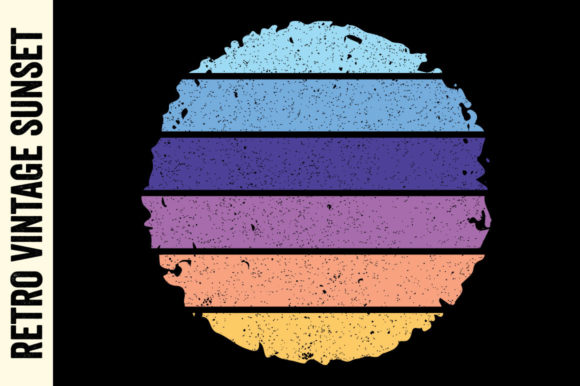
The visual personality of this graphic is distinct. The color palette, even in its digital preview, suggests a rich interplay of oranges, purples, and deep blues that scream "retro." For those of us working in the world of machine embroidery design, the layout is crucial. Does it have enough negative space to breathe? Can it handle the translation from vector lines to thread without losing its soul? My gut feeling is that Retro Sunset Vintage 8 has a strong composition that balances detail with simplicity, making it an excellent candidate for a variety of handmade products.
Bringing the Design to Life: A Custom Tote Bag Scenario
To truly understand how this design performs, we need to move beyond the screen and imagine it on a real product. Let's say I am preparing inventory for a local craft fair next month. I decide to create a line of custom embroidered tote bags featuring Retro Sunset Vintage 8. The goal is to offer something that appeals to the Etsy seller crowd and boutique shoppers who value unique, artisanal goods.
I start by selecting a sturdy canvas tote bag. The texture of the fabric is key here; a rougher weave will add character to the stitching, while a smooth finish might make the colors pop more vividly. When I place the design on the front center panel, the proportions feel right. It isn't so large that it overwhelms the bag, nor so small that it gets lost against the background. As I begin the digitizing process or load the embroidery file, I notice how the curves of the sun and the horizon line translate into stitches. The potential for using satin stitch for the outlines and fill stitch for the gradients creates a depth that flat printing simply cannot achieve.
The finished product looks professional. The retro vibe resonates with customers looking for personalized gifts or unique home decor. It fits perfectly into the narrative of a small business selling handmade items. However, the success of this project depends heavily on the execution details that often get overlooked in basic product descriptions.
Real-World Performance on Different Garments
Retro Sunset Vintage 8 is versatile, but its effectiveness changes depending on the substrate. On a heavy-weight sweatshirt, the design holds its shape beautifully. The density of the fill stitches provides a substantial feel that matches the weight of the garment. For baby clothes, however, caution is required. While the theme is perfect for nursery decor or baby blankets, the size and complexity must be scaled down to ensure comfort against delicate skin.
I also considered using this design for embroidered patches. The clean lines of the sunset suggest it could work well as a detachable patch for denim vests or backpacks. The contrast between the warm tones of the sun and the cool background would stand out sharply, creating a focal point that draws attention. Similarly, for holiday embroidery projects, this design could serve as a festive accent on aprons or kitchen towels, bringing a cozy, autumnal feel to the kitchen during the cooler months.
Navigating Technical Challenges and Limitations
No design is without its pitfalls, and as an experienced reviewer, I believe it is vital to highlight where Retro Sunset Vintage 8 might struggle. One of the primary concerns is the application on curved surfaces like caps. While the design has a natural flow, the curvature of a hat can distort the perspective of the sunset if not adjusted correctly. If you are planning to use this for cap embroidery, you will likely need to adjust the angle or scale the design to fit the panel properly.
Another area requiring careful consideration is the fabric choice. If you attempt to stitch this on thin, stretchy fabric without proper stabilization, the tension of the threads could cause puckering. This is particularly true for designs with high stitch density. You must use the appropriate stabilizer to support the fabric and maintain the integrity of the embroidery project. Additionally, if you are working with dark fabrics, the thread colors need to be chosen carefully to ensure they don't get swallowed up by the background. Testing on scrap fabric is non-negotiable here.
For those interested in commercial embroidery, remember that intricate details can sometimes get lost in smaller hoop sizes. If the design includes fine lines or tiny lettering (if present), these elements might become muddy when stitched at a reduced scale. Always inspect the small details before committing to a full production run. The visual appeal of the final product relies on clarity, and any blurring of lines can diminish the perceived value of the item.
Practical Notes for the Professional Designer
Before you hit the "start" button on your machine, there are several steps to take to ensure success. First, review the stitch density. High-density areas can lead to thread breakage or fabric distortion, especially on softer materials. Check the stitch density settings in your software to ensure they align with the recommended parameters for the fabric type you are using.
Thread color selection is another critical factor. The original digital mockup might show vibrant hues, but physical thread behaves differently. Compare light and dark fabric backgrounds to see how the colors interact. Sometimes, a slightly different shade of orange or purple can make all the difference in achieving the desired retro look. Also, consider the lighting conditions under which your finished product will be viewed. A design that looks stunning in bright sunlight might appear dull in dim indoor lighting.
If you are selling these items on platforms like Etsy, the presentation matters just as much as the stitching itself. Use printable mockups to showcase how Retro Sunset Vintage 8 looks on various products. This helps buyers visualize the final result and increases their confidence in purchasing a handmade product. Ensure that your branding remains consistent across all listings, reinforcing the professional quality of your work.
Finally, confirm the licensing terms before using this design for commercial purposes. Even though the product is listed under Print Templates and Graphics, the rules for selling finished items can vary. Some licenses allow for unlimited sales, while others may require a specific fee or limit the number of units produced. Always read the fine print to avoid any legal issues down the road.
In conclusion, Retro Sunset Vintage 8 is a compelling addition to any designer's library. Its nostalgic charm and versatile layout make it suitable for a wide range of applications, from custom apparel to personalized gifts. By paying attention to the technical nuances of embroidery and choosing the right materials, you can transform this digital asset into a beautiful, market-ready product. Whether you are a hobbyist or a seasoned entrepreneur, this design offers a fantastic opportunity to create something truly special.