Raccoon Head Retro Vector Illustration Review
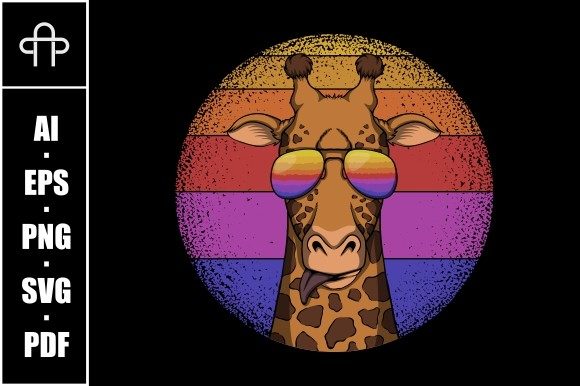
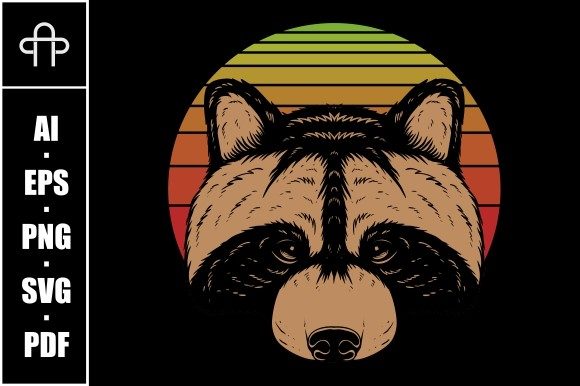
When I first opened the folder for Raccoon Head Retro Vector Illustration, I didn't just see a cute animal graphic; I saw a potential bestseller for a boutique shop. As someone who has stitched thousands of designs on everything from stiff denim to delicate baby onesies, my initial reaction is always practical: "Can this actually hold up in a hoop?" The answer, based on the vector structure and retro aesthetic, is a resounding yes, provided you understand how to translate these clean lines into thread.
The design immediately strikes me as having a distinct personality. It isn't trying to be hyper-realistic or overly complex. Instead, it leans into a nostalgic, mid-century vibe that feels warm and approachable. This mood makes it incredibly versatile. It fits perfectly on a canvas tote bag for a coffee run, but it also has enough charm to sit comfortably on a nursery pillow cover or a custom apron for a home baker. The shape is rounded and inviting, which translates beautifully to embroidery because soft curves generally stitch better than sharp, jagged edges.
Imagine a scenario where a client comes to you with a request for a custom embroidered patch for their local hiking club. They want something that represents the outdoors but doesn't look like a generic mountain logo. Raccoon Head Retro Vector Illustration becomes the star here. The raccoon's mischievous expression, captured in that retro style, adds a touch of humor and character that customers love. When I imagine stitching this onto a heavy-duty twill fabric for a patch, the clean vector lines suggest that the satin stitch borders will lay flat without bunching. It creates a finished product that feels professional and thoughtfully designed, rather than mass-produced.
However, not every project is a success story, and that is where real design judgment comes in. If you are planning to use this design on a stretchy fabric like a fitted t-shirt or a cap brim, you need to be strategic. While the file includes formats like AI, EPS, SVG, and PDF, which gives you great flexibility, the physical execution depends heavily on your setup. On a curved surface like a baseball cap, the density of the fill stitches could cause puckering if you don't use the right stabilizer. The retro style relies on clear outlines, so if the fabric shifts even slightly during stitching, those crisp lines might blur, ruining the vintage look.
Let's talk about color contrast, which is often the make-or-break factor in embroidery. A black raccoon head on a dark navy sweatshirt might disappear unless you use a specific outline thread color to separate the subject from the background. Conversely, a white outline on a light gray tee might get lost. Because this is a machine embroidery design derived from a vector, you have the freedom to adjust thread colors before you start stitching. I recommend testing a few combinations on scrap fabric first. Try a cream-colored thread for the fur against a charcoal background, or perhaps a bold orange accent thread for the eyes to make the design pop. The goal is to ensure the embroidery file reads clearly from a distance, which is crucial for items like tote bag design projects where people walk by quickly.
For small business owners and Etsy sellers, the visual appeal of the final item directly impacts customer trust. A sloppy stitch job can make a handmade product feel cheap, even if the concept was brilliant. Raccoon Head Retro Vector Illustration helps elevate the perceived value of your goods because the original illustration is clean and well-composed. When customers see a high-quality, cohesive design on a personalized gift or a holiday ornament, they assume the rest of the brand is equally reliable. This is especially true for commercial embroidery projects where consistency matters. If you are producing a batch of sweatshirt embroidery for a local event, having a design that registers well across different batches ensures your team looks professional.
There are, however, areas where caution is required. If you are working with a very small hoop size, such as for a baby hat or a tiny keychain tag, you must scrutinize the detail level. While the vector format allows you to scale, shrinking a design too much can merge fine details together. In embroidery, "less is often more." If the retro illustration includes intricate whiskers or tiny text elements, consider simplifying them or ensuring they are large enough to be distinct after stitching. Dense stitch areas, particularly in the center of the face, can create a thick, raised texture that might feel uncomfortable on sensitive skin, so avoid placing dense fills directly against a baby's cheek or neck.
Fabric texture also plays a massive role in how the design presents itself. On a smooth cotton twill, the applique design technique (if you choose to incorporate it) would look sharp and modern. On a textured fabric like linen or a boucle knit, the stitches might catch unevenly, creating a rustic, almost hand-stitched look that could either enhance the retro vibe or detract from it depending on your intent. For kitchen towel projects, a sturdy cotton blend works best, as it provides the necessary stability for the fill stitch to lie flat without distorting the weave of the fabric.
Before you commit to a full production run, I strongly advise running a digital mockup test. Place the digital embroidery file onto images of your actual products—like a pillow cover or an embroidered patch—to see how the proportions look. Sometimes a design that looks perfect on a computer screen feels awkward when scaled to a 4x4 inch hoop. Check whether the design works for both personal and commercial projects by reviewing the licensing terms included with the Graphics package. Many creators overlook this step, only to find out later that they cannot sell the finished items.
Another critical consideration is the washing durability. Embroidery is durable, but if the stitch density is too high, the fabric underneath can become rigid and prone to cracking over time. Ensure that the stitch density settings in your digitizing software are appropriate for the fabric weight you are using. If the design is intended for frequent washing, like a work apron or a child's school uniform, a lighter touch with the fill stitches might be necessary to maintain flexibility.
In conclusion, Raccoon Head Retro Vector Illustration is a strong candidate for anyone looking to add a touch of whimsical nostalgia to their craft business. It bridges the gap between a simple icon and a detailed artwork, making it suitable for a wide range of applications from holiday embroidery gifts to custom apparel. Its retro flair resonates with current trends, while its vector foundation offers the technical reliability needed for professional results. By paying attention to thread selection, stabilizer choice, and fabric compatibility, you can transform this digital asset into a tangible, high-value handmade product that your customers will cherish. Whether you are a seasoned decorator or a new maker, this design offers a solid foundation for building a memorable brand identity.