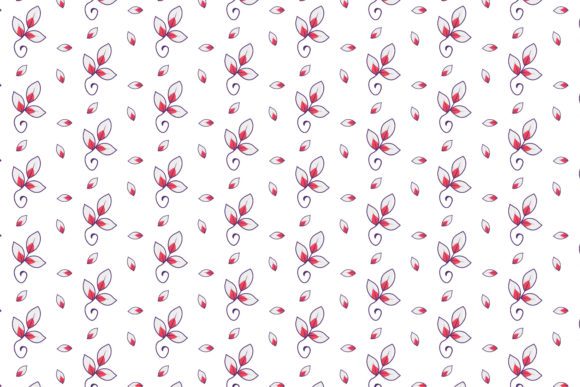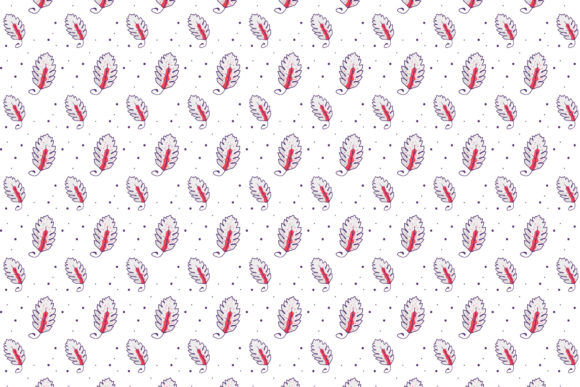
Fall Nice Foliage Retro Style Pattern Review
When I first opened the Fall Nice Foliage Retro Style Pattern, my immediate reaction wasn't about the file size or the canvas dimensions. It was about the mood. There is a specific energy in retro autumn aesthetics that, when executed well, can transform a simple piece of fabric into a conversation starter. As someone who has spent years evaluating digital assets for real-world stitching, I look past the pretty preview image to see how the design holds up under the needle. This pattern brings a nostalgic warmth that feels perfectly suited for the current season, but does it translate effectively from a screen to a stitched reality?
The First Stitch: Visual Personality and Layout
The visual personality of this design is distinct. It leans heavily into a vintage-inspired palette and composition that evokes crisp October air and cozy evenings. The layout suggests a balanced approach, avoiding the cluttered look that often plagues complex foliage patterns. For an embroidery designer, the initial assessment is always about clarity. Does the design have breathing room? Are the shapes defined enough to hold their structure without becoming a muddy mess of thread?
In the case of Fall Nice Foliage Retro Style Pattern, the shapes appear robust. The retro styling implies bold lines and perhaps some stylized leaves rather than hyper-realistic botanical accuracy. This is actually a huge plus for machine embroidery. Realism often requires thousands of tiny stitches that can get lost on textured fabrics, whereas a stylized, graphic approach ensures the design remains legible even after multiple washes. The 1920px by 1280px canvas size provides a generous workspace, suggesting that the individual elements are substantial enough to be scaled down for smaller items without losing their character.
From Screen to Sweatshirt: A Real-World Scenario
To truly judge this asset, I imagine it in a production environment. Let's say I am preparing a custom order for a boutique client who sells handmade goods. They need a design for a line of holiday-themed tote bags and aprons. I pull up the Fall Nice Foliage Retro Style Pattern to test its viability. The first thought is application. Where does this design naturally belong?
I envision placing this pattern on a heavy-duty cotton canvas tote bag. The sturdy fabric will support the density required for the fill stitches, allowing the retro colors to pop against a neutral background. However, I also consider a softer application, like a baby onesie or a nursery pillow cover. The gentle, nostalgic vibe of the foliage fits perfectly with nursery decor themes. If I were creating a personalized gift for a customer, this design would add a touch of professional polish that elevates a standard homemade item into a premium product. The key here is versatility; the pattern works as a standalone motif on a cap or as a repeating border on a kitchen towel.
Technical Performance and Fabric Considerations
While the aesthetic is strong, the technical execution determines whether the final product looks professional or amateurish. When evaluating Fall Nice Foliage Retro Style Pattern for commercial use, we must consider the limitations of the medium. Machine embroidery relies on thread tension, stabilizer support, and stitch density. If the design contains too many intricate details in a small area, it may pucker, especially on stretchy knits like t-shirts or sweatshirts.
If you plan to use this for custom apparel, I recommend testing the design on scrap fabric first. Check the stitch density carefully. High-density areas can cause the fabric to distort if not properly hooped and stabilized. For embroidered patches, the retro style might require a satin stitch border to ensure clean edges, which adds durability. On dark fabrics, the contrast becomes critical. You might need to adjust your thread colors or add a layer of underlay to make the design visible and vibrant. Conversely, on light fabrics, the design should stand out clearly without needing excessive layers of thread.
There are specific scenarios where caution is advised. Small hoop sizes, such as those used for hat embroidery or delicate jewelry boxes, might struggle with the full scope of this pattern. If the design includes fine lines or tiny corners, they could become indistinct when stitched at a reduced scale. Similarly, textured fabrics like bouclé or thick wool can hide the details of the pattern, making the retro elements look flat. In these cases, simplifying the design or choosing a smoother fabric is essential for maintaining the intended visual impact.
Building Trust Through Professional Execution
For Etsy sellers and small business owners, the quality of the finished product directly impacts customer trust and brand consistency. A poorly stitched design can ruin the perception of an entire brand, regardless of how beautiful the original digital embroidery file looked on a computer. Using Fall Nice Foliage Retro Style Pattern offers a significant advantage because its clear, retro structure is forgiving and easy to execute correctly.
When customers receive a personalized gift or a boutique item featuring this design, they notice the attention to detail. The clean lines and cohesive color scheme suggest that care was taken during the creation process. This leads to higher satisfaction rates and positive reviews, which are vital for growth in the craft business. Furthermore, the design's versatility allows for creative marketing. You can create printable mockups showing the pattern on various products, from tea towels to holiday stockings, giving potential buyers a clear vision of the final result before they purchase.
Practical Designer Notes for Success
Before committing to a large production run, there are several steps every designer should take to ensure success with this pattern:
- Test on Scrap Fabric: Always stitch a sample on the same material you intend to use for the final product. This reveals issues with puckering, thread breaks, or color clashes early on.
- Check Thread Color Contrast: Ensure the chosen thread colors provide enough contrast against the fabric background. A muted palette might get lost on a dark shirt, while bright colors might clash with a busy fabric print.
- Review Stitch Density: Inspect the design for overly dense areas. If necessary, reduce the density slightly to prevent the fabric from becoming stiff or distorted.
- Confirm Hoop Size: Verify that the design fits within your standard hoop sizes. If the pattern is larger than your machine's capabilities, you may need to split the design or resize it appropriately.
- Inspect Small Details: Zoom in on the digital file to check for any tiny elements that might not stitch well. Remove or simplify these if they risk looking messy in the final product.
- Test in Black and White: Create a monochrome version of the design to see how the values work together. This helps ensure the design has depth and structure independent of color.
- Use Proper Stabilizer: Select a stabilizer that matches the weight and stretch of your fabric. Heavy-weight cut-away stabilizers are often best for home décor items like pillows and blankets.
- Verify Licensing: Before selling finished items made with this pattern, confirm the licensing terms. Some designs are for personal use only, while others allow commercial sales. Understanding these terms protects your business from legal issues.
The Fall Nice Foliage Retro Style Pattern is more than just a decorative element; it is a tool for creating high-quality, marketable products. By approaching it with a critical eye and following practical testing protocols, designers can leverage its retro charm to produce stunning results. Whether you are crafting a unique holiday gift, expanding your Etsy shop inventory, or creating branded merchandise for a local business, this design offers a solid foundation for professional-grade embroidery projects. With the right preparation and attention to detail, it can become a staple in your collection of design assets.