Tennessee - Bigfoot Retro Design Review
As someone who has spent years evaluating machine embroidery design assets for both personal hobbies and commercial ventures, I know that the difference between a good file and a great one often comes down to how it translates from screen to fabric. When I first laid eyes on the Tennessee - Bigfoot Retro Design, my immediate reaction was one of curiosity mixed with practical skepticism. The retro aesthetic is trendy, but in embroidery, trends can quickly turn into stitching nightmares if the vector work isn't sound. This review breaks down exactly how this piece performs when pulled out of the digital realm and stitched onto real-world materials.
The First Impression: Mood and Visual Personality
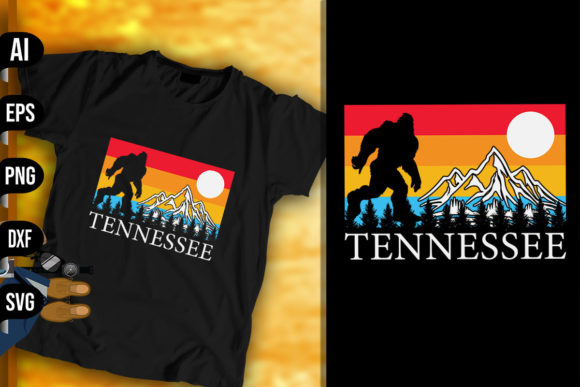
The moment you open the file, the Tennessee - Bigfoot Retro Design exudes a specific kind of nostalgia. It isn't trying to be hyper-realistic or overly complex; instead, it leans heavily into a vintage silhouette that feels approachable and fun. For an embroiderer, this is crucial because the "retro" style usually relies on bold shapes rather than delicate lines, which is a huge plus for stability. The layout suggests a playful energy, perfect for items that need to stand out without screaming for attention. It feels like a design that belongs on a worn-in flannel shirt or a canvas tote bag hanging in a boutique shop.
From a graphic standpoint, it fits neatly into the Graphics category as a versatile asset. However, unlike standard print templates where ink sits flat on paper, this design requires us to think about thread texture. The visual personality is rugged yet whimsical, making it ideal for brands or individuals who want to project a sense of Southern charm mixed with a bit of mystery. It creates an instant conversation starter, which is the holy grail for any handmade product.
Real-World Application: From Tote Bag to Boutique Merch
To truly judge the utility of this design, I ran through a mental simulation of a busy weekend at a craft fair. Imagine setting up a booth selling custom apparel and accessories. A customer walks by, drawn to a display of embroidered totes. They spot the Tennessee - Bigfoot Retro Design on a natural canvas bag. The contrast of the thread against the fabric brings the image to life, creating a tactile experience that a printed sticker simply cannot match.
This design shines brightly in the world of tote bag design. The scale appears generous enough to make a statement on a large tote, yet balanced enough not to overwhelm smaller items. I also envision this working exceptionally well for sweatshirt embroidery. The chunky, retro lines would hold up beautifully on heavy cotton fleece, adding a layer of depth that makes the garment feel premium. For an Etsy seller looking to expand their catalog, this could easily become a signature item for holiday gifts or local pride merchandise.
Beyond bags and sweatshirts, consider the potential for custom apparel like denim jackets or aprons. The design's versatility allows it to bridge the gap between casual wear and functional gear. If you are a small business owner creating branded merchandise for your team, this design offers a unique way to represent a company culture that values fun and creativity. It transforms a simple uniform into something that tells a story.
Where Caution is Key: Technical Limitations
While the artistic vision is strong, every experienced designer knows that execution depends on the substrate. There are specific scenarios where the Tennessee - Bigfoot Retro Design might require careful handling. If you are planning to use this on a small hoop size project, such as a baby hat or a tiny patch, you must verify the stitch density. While the retro style is generally forgiving, cramming too much detail into a two-inch area can lead to puckering or loss of definition.
Fabric choice is another critical factor. On stretchy fabrics like jersey knits, the stabilizer selection becomes paramount. Without proper backing, the tension of the fill stitch could distort the shape of the Bigfoot figure. Similarly, textured fabrics like terry cloth or heavy boucle might hide the finer details of the running stitch elements, resulting in a muddy appearance. Dark fabrics present a challenge as well; if the thread colors aren't vibrant enough, the retro look might get lost in the background, requiring a high-density underlay that increases the risk of fabric stiffness.
Curved surfaces, such as caps, demand extra attention. The design needs to be digitized specifically for the curvature of the brim to avoid distortion. If the file is intended as a general-purpose template, it may not account for the specific tapering required for a baseball cap front panel. Always check the file specifications before committing to a curved surface project.
Visual Appeal and Customer Trust
In the world of handmade goods, the quality of the embroidery directly impacts customer trust. A sloppy stitch density or loose threads can ruin the perceived value of a product, regardless of how cute the design is. The Tennessee - Bigfoot Retro Design has the potential to elevate a finished product, but only if the technical execution matches the creative intent. When done right, the clean lines and consistent spacing signal professionalism. Customers are willing to pay a premium for items that look polished and durable.
Furthermore, the design's recognizability plays a role in brand consistency. If you are building a line of products around a theme, having a cohesive look across different items—like matching embroidered patches on hats and shirts—creates a unified brand identity. This design serves as a strong anchor for such a collection, offering a recognizable motif that customers will associate with your shop.
Practical Designer Notes for Success
Before you hit the start button on your machine, there are several steps you should take to ensure the best outcome. First and foremost, always test the design on scrap fabric. This allows you to gauge the thread color contrast and see how the stabilizer interacts with your specific material. Don't assume that a setup that worked for cotton twill will work for linen or polyester blends.
Review the stitch types carefully. Understanding where the design uses satin stitch versus fill stitch helps you anticipate how the final product will feel. Satin stitches provide a smooth, glossy finish, while fill stitches add texture and coverage. If the design includes intricate corners, inspect them closely to ensure they won't snag or break during washing. Testing the design in black and white mockups can also help you visualize the balance of positive and negative space, ensuring the silhouette remains clear even without color.
For those selling finished items, confirm the licensing terms immediately. Just because a file is labeled as a digital embroidery file doesn't automatically grant commercial rights for mass production. You must verify whether you are allowed to sell the physical products made from this design. Additionally, ensure the file format is compatible with your specific embroidery machine software. If the instructions mention it is a print template for various purposes, remember that converting a print-ready graphic into an embroidery file requires careful digitization to maintain the integrity of the original art.
Finally, consider the end-user experience. Will the finished product withstand frequent washing? Is the thread density too stiff for comfortable wear? These questions matter just as much as the visual appeal. By approaching the Tennessee - Bigfoot Retro Design with a critical eye and a focus on technical precision, you can turn a simple graphic into a standout handmade product that delights customers and stands the test of time.