Scuba Diver Retro: A Designer's Review for Real Embroidery Projects
When I first opened the Scuba Diver Retro file, my initial reaction was one of genuine excitement. As someone who has spent years evaluating digital assets for commercial use and personal craft projects, I know that a good design is more than just a pretty image; it is a blueprint for texture, depth, and storytelling. This Print Templates asset immediately caught my eye because it carries a specific mood that feels both nostalgic and timeless. It isn't just a graphic; it is a machine embroidery design with the potential to become a centerpiece on everything from a heavy-duty tote bag to a delicate baby onesie.
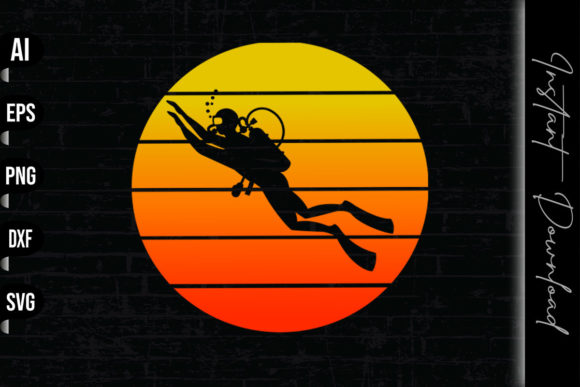
The visual personality of Scuba Diver Retro is distinct. It evokes the feeling of vintage ocean exploration, suggesting a world of adventure and calm beneath the waves. For an embroiderer, this translates into a design that needs to handle detail without losing its charm. The layout appears balanced, likely relying on a mix of satin stitch for outlines and definition, and fill stitch to create those rich, textured backgrounds that make a garment feel substantial. When you hold the concept in your mind, it naturally belongs to products that celebrate hobbies, travel, or the love of the sea. It screams "handmade product" rather than mass-produced factory output.
From Digital File to Finished Product: A Real-World Scenario
To truly understand how Scuba Diver Retro performs, we have to move beyond the screen and imagine it stitched onto fabric. Let me walk you through a scenario I recently considered for a boutique client. Imagine preparing a custom embroidered tote bag for a local dive shop or a summer craft fair. The goal is to create a piece of custom apparel that customers will carry daily, making it a walking advertisement for their brand.
If I were to digitize or apply this embroidery file to a canvas tote, the retro aesthetic would pop beautifully against natural cotton or denim. The contrast between the dark blue tones often associated with scuba gear and the lighter background of the fabric would create a striking visual appeal. However, the success of this project depends entirely on execution. Would the details of the diver's equipment stitch clearly? Would the curves of the helmet look smooth, or would they get lost in a mess of thread?
I also thought about using this design for a holiday gift. Picture a set of kitchen towels or aprons embroidered with Scuba Diver Retro for a diving enthusiast. The design adds a layer of personality that transforms a standard utility item into a cherished keepsake. In this context, the stitch density becomes critical. If the design is too dense, the fabric might pucker, ruining the drape of the towel. If it is too sparse, the image will lack the solidity required for a professional-looking finished product. The key here is balancing the artistic intent with the physical limitations of the machine.
Navigating Fabric Challenges and Hoop Limitations
While the concept is strong, every experienced designer knows that real-world application comes with constraints. Scuba Diver Retro is versatile, but it is not magic. There are specific situations where this design requires careful consideration before you even thread your needle.
First, consider the hoop size. If the original artwork contains intricate details or small lettering, attempting to stitch it in a very small hoop can lead to frustration. Tight corners and fine lines often suffer when compressed into a limited space. You must verify the dimensions of the digital embroidery file against your machine's capabilities. Similarly, if you plan to use this on a curved surface like a baseball cap, the curvature can distort the perspective of the design. What looks perfect flat on your computer screen might appear stretched or warped once stitched onto the crown of a hat.
Fabric choice is equally paramount. Textured fabrics, such as heavy waffle knits or loose-weave linen, can swallow up fine details. Thin or stretchy fabrics present another hurdle; without proper support, the tension of the threads could cause the material to bunch up around the design. This is where the importance of using the right stabilizer cannot be overstated. For a project involving commercial embroidery or items that will undergo frequent washing, stability is non-negotiable. You need to ensure that the design sits flush against the fabric, maintaining its shape and integrity over time.
Dark fabrics also pose a challenge. While high-contrast thread colors can work wonders, the underlying darkness might mute the vibrancy of lighter stitches. It is always wise to test the color combination on a scrap piece of the actual fabric you intend to use. Seeing the thread colors interact with the material under your workshop lighting gives you a realistic preview of the final result.
Design Judgment: Value, Trust, and Professionalism
For Etsy sellers, small business owners, and creative entrepreneurs, the quality of the design directly impacts customer trust. A sloppy stitch job or a design that doesn't translate well from screen to fabric can damage a brand's reputation. Conversely, a well-executed embroidery project featuring Scuba Diver Retro signals professionalism. It shows that you care about the details, which encourages buyers to pay a premium price for your handmade goods.
The retro theme of this design offers excellent recognition potential. It taps into a popular aesthetic that resonates with hobbyists and collectors alike. When used correctly, it enhances the brand consistency of a shop. Whether you are creating printable mockups for listings or producing actual inventory, the design should feel cohesive. It shouldn't look like an afterthought; it should look like a deliberate choice that elevates the entire product line.
However, do not assume that the design works for every single item on your list. Applique design techniques might be necessary if the original file relies heavily on complex color blocking that is difficult to achieve with standard stitching. Always review the stitch types included in the package. If the design uses excessive running stitch for large areas, it might require reinforcement to prevent thread breakage or fraying during wear.
Practical Notes for the Discerning Designer
Before you commit to a full production run, there are essential steps any responsible designer must take. First, always test the design on scrap fabric. This simple step saves money and prevents heartbreak. Check the thread color contrast against your intended background. Does the design lose definition? Is it too busy? Review the stitch density to ensure it won't overwhelm the fabric. Confirm the hoop size requirements and inspect small details closely to see if they will hold up under magnification.
It is also crucial to compare light and dark fabric backgrounds in your mockups. Sometimes a design looks great on white but disappears on navy. Use black and white mockups to check the value structure of the design, ensuring that the shapes are distinct regardless of color. Verify whether the design includes instructions for applique or if it is purely stitched. If you are unsure about the file formats or machine compatibility, contact the creator or check the product documentation before proceeding.
Finally, confirm the licensing terms. Are you allowed to sell finished items made with this embroidery design? Can you use it for personalized gifts or does it have restrictions? Understanding these legalities protects your craft business from future complications. Scuba Diver Retro is a fantastic asset for graphic and textile projects, but its true value is unlocked only when handled with care and technical precision.
In conclusion, Scuba Diver Retro stands out as a design with genuine character and versatility. It bridges the gap between digital art and tactile craft, offering endless possibilities for tote bag designs, sweatshirt embroidery, and holiday embroidery. By approaching it with a critical eye and a focus on practical execution, you can transform this graphics asset into a standout piece that delights customers and strengthens your portfolio.