Retro Chef Restaurant Logo Design Review
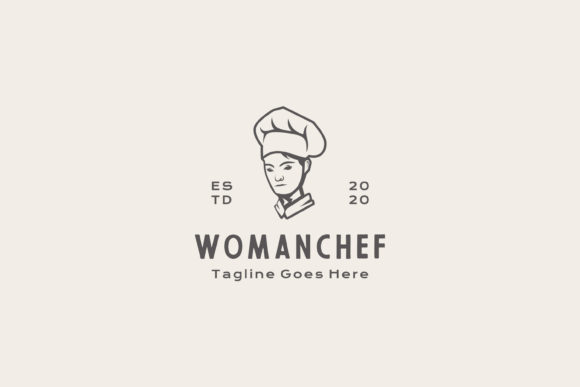
When I first opened the file for the Retro Chef Restaurant Logo Design, I didn't just see a vector icon; I saw a potential bestseller. As someone who has spent years stitching logos onto everything from aprons to baby onesies, my first instinct is always to ask: "Will this hold up under the needle?" This design immediately struck me as having that perfect blend of nostalgic charm and professional polish that works wonders in the world of handmade goods. It isn't just another graphic sitting on a screen; it feels like it was born to be stitched.
The mood it creates is warm, inviting, and distinctly vintage. The shape suggests a classic diner or a family-owned bistro, relying on clean lines and a bold personality rather than overwhelming complexity. For an embroidery designer, this visual clarity is gold. In machine embroidery, detail is often the enemy of durability, but here, the layout seems designed to survive the friction of high-speed stitching while maintaining its crisp identity. It naturally belongs in projects where storytelling matters—think custom apparel for a restaurant staff, a branded tote bag for a local market, or a personalized gift for a culinary enthusiast.
From Screen to Stitch: Real-World Performance
I recently put the Retro Chef Restaurant Logo Design through a practical test scenario. I was preparing a small batch of embroidered patches and kitchen towels for a boutique client launching a new line of retro-inspired cookware. The goal was to create a cohesive brand look that felt authentic yet modern. Using this design as the centerpiece, I imagined how it would translate across different fabrics.
On a sturdy canvas tote bag, the design shines. The bold outlines of the chef's hat and utensils catch the light beautifully when stitched with a satin stitch finish. It transforms a plain accessory into a statement piece that customers want to show off. Similarly, for a sweatshirt embroidery project, the design offers enough visual weight to stand out against a heather gray background without looking lost. The color palette is easy to adapt, which is crucial when you are trying to match specific thread colors to a client's brand guidelines. If your shop sells custom aprons, this design adds an immediate layer of professionalism that elevates the perceived value of the finished product.
The versatility extends beyond just clothing. I envision this working exceptionally well as a decorative accent on a pillow cover or a tea towel for a holiday gift. The retro aesthetic fits perfectly with autumn harvest themes or winter holiday markets where nostalgia drives sales. For an Etsy seller, having a design asset like this means you can quickly generate printable mockups to showcase your services before you even touch the fabric. It bridges the gap between digital design and tangible craft, making it easier to sell the concept to buyers who might not understand the intricacies of embroidery yet.
Navigating Technical Challenges
However, every experienced designer knows that a beautiful vector doesn't guarantee a flawless stitch-out. There are specific areas where you must exercise caution with the Retro Chef Restaurant Logo Design. If you are planning to use this on a curved surface like a baseball cap, pay close attention to the density of the fill stitches. Curved surfaces distort designs, and if the stitch count is too high, the fabric can pucker, ruining the clean lines of the chef's face or hat.
Small hoop sizes present another hurdle. While the main elements are clear, any tiny decorative accents or intricate details in the corners might get lost if you try to cram them into a 4x4 hoop. You need to ensure the design scales appropriately so that the running stitch elements don't break down into a muddy blob. Furthermore, textured fabrics like heavy denim or loose-weave linen require extra stabilization. Without the right stabilizer, the tension of the embroidery could pull the fabric, causing the logo to shift or warp during the wash cycle.
Dense stitch areas are also worth noting. If the original vector relies heavily on tight fills, converting this to an embroidery file requires careful digitizing adjustments. Too much density on thin fabric can lead to bird nesting or thread breaks. Always inspect small details closely before committing to a large production run. If you are working with dark fabric, the contrast of the thread colors becomes critical. A design that looks vibrant on a white background might disappear if the thread choice isn't tested properly against the final material.
Making the Final Product Shine
The true value of this design lies in how it impacts customer trust and brand consistency. When a buyer receives a handmade product featuring a sharp, well-executed logo, they immediately associate that quality with the maker's skill. A sloppy stitch job can undermine years of reputation, but a clean application of the Retro Chef Restaurant Logo Design signals professionalism. It tells the customer that you care about the details, which is essential for anyone selling personalized gifts or commercial embroidery services.
For those building a craft business, this design serves as a reliable anchor. It allows you to maintain a consistent visual identity across various products, from custom apparel to embroidered patches. When customers recognize your style repeatedly, engagement increases, and word-of-mouth marketing becomes more effective. The design's retro vibe also taps into a timeless trend, ensuring that your finished products remain relevant longer than fleeting fads.
Essential Notes for the Embroidery Designer
Before you rush to the machine, there are several practical steps to ensure success. First and foremost, test the design on scrap fabric. This simple step reveals how the stitch density interacts with your specific fabric type and helps you adjust tension settings before touching your final project. Check thread color contrast rigorously; sometimes a color that looks good on a monitor appears dull once stitched. Review the stitch density to ensure it isn't too heavy for the intended garment, and confirm that your hoop size accommodates the design without cutting off important edges.
Inspect small details under magnification to ensure no tiny threads will snag or break easily. Testing the design in black and white mockups can help you visualize the silhouette and balance of the logo without the distraction of color. Compare how it looks on both light and dark fabric backgrounds to determine if you need to add a backing or underlay for better coverage. Use proper stabilizer tailored to the fabric weight; this is non-negotiable for preventing distortion.
Finally, verify whether the design works for both personal and commercial projects. Many creators overlook licensing terms until it is too late. Confirm the license agreement before selling finished items or distributing digital embroidery files. If the text within the design is non-editable, as noted in the features, remember that you cannot change the lettering directly in the file. You may need to remove the text layer entirely or plan around it depending on your specific needs. By following these guidelines, you ensure that the Retro Chef Restaurant Logo Design delivers the high-quality results that make your work stand out in a crowded marketplace.