Reel Cool Pap - Fishing Vintage Retro Review
As someone who has spent years navigating the nuances of machine embroidery, from delicate baby garments to heavy-duty workwear, I know that the difference between a mediocre finished product and a standout piece often lies in the initial design choice. Recently, I had the opportunity to evaluate Reel Cool Pap - Fishing Vintage Retro, a graphic asset marketed as a print-ready design for various applications. While the product listing describes it broadly as a versatile template for t-shirts, hoodies, mugs, and vinyl decals, my focus was strictly on its potential as an embroidery project. Can this vintage-inspired fishing motif translate effectively into thread? Does it hold up under the scrutiny of a real-world boutique or craft fair setting?
The First Impression: Mood and Visual Personality
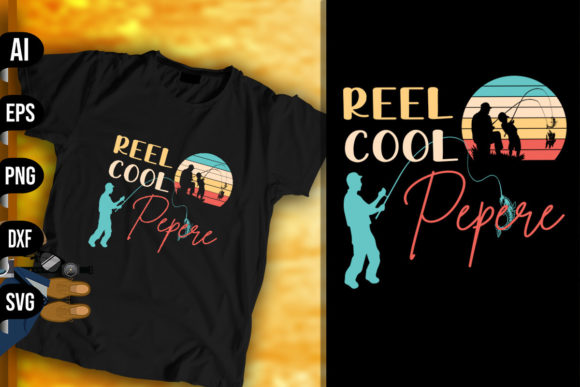
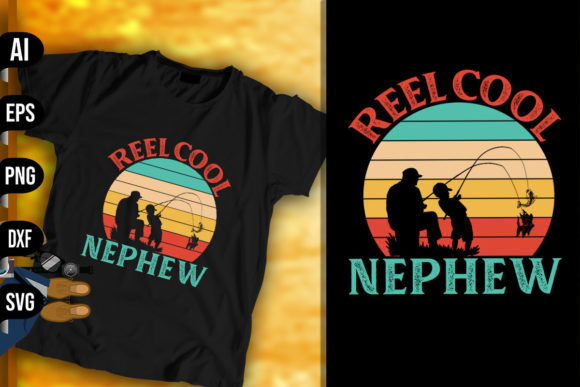
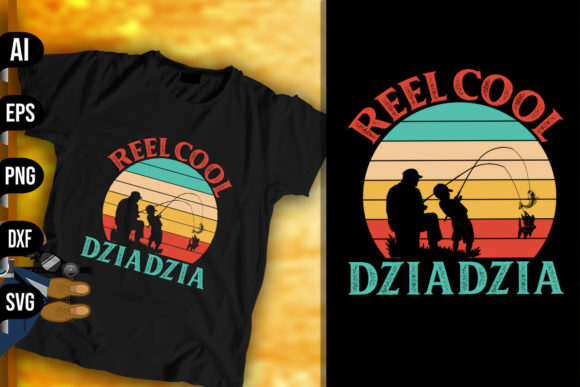
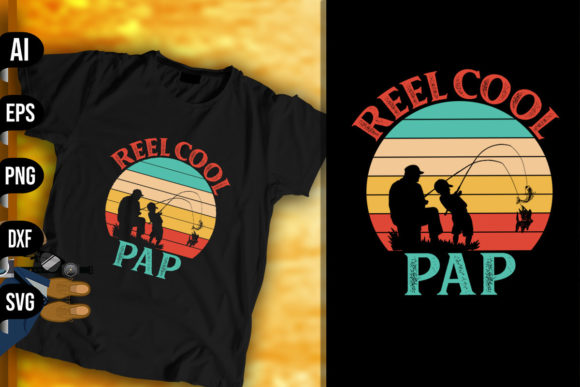
Upon first glance, Reel Cool Pap - Fishing Vintage Retro exudes a specific nostalgia that is hard to pin down but easy to appreciate. The aesthetic leans heavily into mid-century Americana, utilizing a color palette and composition that suggests old tackle boxes, weathered dock signs, and classic summer afternoons. For an embroidery designer, the immediate question is always about translation: how does this vector or raster image behave when converted into stitches?
The layout feels balanced and organic. It doesn't scream for attention with chaotic elements; instead, it offers a cohesive scene that naturally belongs on casual apparel or home decor. The visual personality is rugged yet refined, making it an ideal candidate for custom apparel aimed at outdoor enthusiasts, fishermen, or anyone who appreciates a rustic aesthetic. Unlike some generic clip art that looks flat when digitized, this design possesses a depth that promises to add character to a handmade product.
Real-World Application: A Case Study
To truly test the viability of Reel Cool Pap - Fishing Vintage Retro, I imagined a practical scenario: creating a line of merchandise for a local outdoor gear shop. The goal was to produce a series of embroidered patches and tote bags that would appeal to anglers without looking like mass-produced factory items.
I considered using this design on a heavyweight canvas tote bag. The vintage theme pairs perfectly with natural linen or beige cotton, allowing the colors to pop while maintaining an earthy tone. However, the challenge lies in the execution. If I were to embroider this onto a sweatshirt embroidery project, the soft texture of the fleece might obscure fine details. Conversely, on a structured cap or a denim jacket, the design could really shine. The retro vibe aligns well with current trends in small shop product branding, where customers are seeking authenticity and a story behind their purchases.
In this hypothetical launch, the design serves as more than just decoration; it acts as a brand anchor. A customer picking up a tote bag featuring Reel Cool Pap - Fishing Vintage Retro would immediately recognize the quality of the artwork. It signals that the seller cares about aesthetics, which builds trust and encourages repeat business. The design's versatility extends beyond apparel, too. I can easily visualize it on a kitchen towel for a fisherman's gift set or even as a decorative accent on a pillow cover for a cabin-style nursery.
Navigating Technical Challenges and Limitations
While the artistic merit of Reel Cool Pap - Fishing Vintage Retro is evident, a professional review must address the technical realities of machine embroidery design. Not every graphic translates seamlessly into thread. There are specific scenarios where this design requires careful consideration before committing to production.
Hoop Size and Detail Density: If you attempt to stitch this design on a small hoop, such as one used for a hat brim or a child's bib, the finer lines of the vintage illustration might get lost. Stitch density becomes a critical factor here. If the original file contains intricate details intended for high-resolution printing, they may not hold up well when reduced for a small embroidery area. I recommend testing the design on scrap fabric first to ensure that the running stitch areas do not pucker and that the satin stitch edges remain crisp.
Fabric Texture and Stability: The success of any embroidery file depends heavily on the substrate. On thin, stretchy fabrics like jersey or light rayon, Reel Cool Pap - Fishing Vintage Retro could cause distortion if not properly stabilized. You will need a robust stabilizer system to prevent the fabric from shifting during the stitching process. Similarly, on textured fabrics like chunky knits or bouclé, the design might get swallowed by the material's surface. In these cases, the contrast between the thread and the fabric texture is paramount.
Detailed Corners and Lettering: Many vintage designs include small text or sharp corners. These are notorious trouble spots in embroidery. If the design includes tiny lettering, it may be illegible once stitched, especially on dark fabrics where thread coverage is difficult. Always inspect small details closely. If the design relies on fill stitch to create solid blocks of color, ensure that the thread count is sufficient to cover the background completely, particularly if you are working with dark fabric.
Impact on Product Value and Brand Consistency
Choosing the right design assets is a strategic decision for any Etsy seller or creative entrepreneur. Using a high-quality, thematic design like Reel Cool Pap - Fishing Vintage Retro elevates the perceived value of your finished goods. It moves the item away from "generic craft store" vibes and positions it as a curated, thoughtful creation.
When a customer receives a personalized gift or a commercial embroidery order featuring this specific vintage aesthetic, they feel a connection to the imagery. It enhances the giftability of the item and strengthens brand consistency across your product line. Whether you are creating a tote bag design or a set of holiday embroidery ornaments, the retro fishing theme provides a cohesive narrative that resonates with target audiences.
However, remember that the design is only as good as its execution. A poorly digitized version of a great graphic can ruin a finished product. Ensure that the thread colors chosen complement the original artwork. Sometimes, sticking to the original color palette is best, but other times, adjusting the hues to match your brand's identity can make the design sing.
Practical Notes for the Embroidery Designer
Before you load Reel Cool Pap - Fishing Vintage Retro into your machine, keep these essential tips in mind to avoid costly mistakes:
- Test on Scrap Fabric: Never start on your final product. Run a test on a similar fabric swatch to check for puckering, tension issues, and clarity.
- Review Stitch Density: Examine the digitization to ensure that dense areas won't cause needle deflection or thread breakage.
- Confirm Hoop Size: Verify that the design fits within your intended hoop dimensions, especially for curved surfaces like caps.
- Check Contrast: Test the design in black and white mockups to see if the details separate well against different backgrounds.
- Inspect Licensing: Since this is listed under Print Templates and Graphics, confirm the license terms before selling finished items. Some licenses allow for commercial use of physical goods, while others restrict resale.
- Use Proper Stabilizer: Select a stabilizer appropriate for your fabric weight to maintain shape and prevent distortion.
Ultimately, Reel Cool Pap - Fishing Vintage Retro represents a strong foundation for a variety of creative endeavors. It captures a mood that is both timeless and trendy, making it a valuable addition to any design assets library. By approaching it with the caution and expertise required for professional embroidery, you can transform this digital graphic into a tangible, high-quality product that delights customers and stands out in a crowded marketplace.