Pickleball Vintage Retro: A Designer's Real-World Review
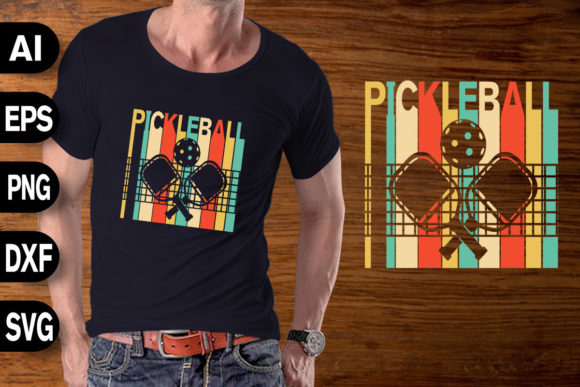
When I first opened the file for Pickleball Vintage Retro, my immediate reaction wasn't about the technical specs, but the vibe. In a market flooded with neon greens and modern sans-serif fonts, this design brings a warm, nostalgic energy that feels incredibly timely. As someone who has spent years evaluating embroidery files for client projects and personal craft businesses, I know that a design isn't just about how it looks on a screen; it is about how it translates to thread, fabric, and the final product in a customer's hands. This piece of T-Shirt Designs and Graphics has a distinct personality that suggests it belongs in a boutique setting or a high-end custom apparel shop rather than a mass-produced discount rack.
The aesthetic leans heavily into a mid-century modern feel, utilizing curves and shapes that evoke the golden era of sports culture. For an embroiderer, this mood is crucial because it dictates the entire brand identity of the finished item. When you are creating a handmade product for an Etsy listing, the visual story starts before the needle even touches the fabric. Pickleball Vintage Retro tells a story of community, fun, and classic style, which makes it an excellent candidate for targeted marketing towards adult hobbyists who appreciate retro aesthetics.
From Screen to Stitch: The Real-Life Scenario
To truly understand the utility of this design, let's imagine a specific project scenario. Picture yourself preparing a batch of custom embroidered tote bags for a local pickleball tournament. You want something that stands out but doesn't look like a generic club logo. You pull up Pickleball Vintage Retro and place it on your digital mockup. The layout feels balanced, not too cluttered, allowing the negative space to breathe.
Now, visualize the stitching process. Unlike some overly detailed designs that get lost in the texture of a canvas tote, this design relies on bold shapes and clean lines. It performs exceptionally well as a tote bag design because the elements are large enough to be recognized from a distance but refined enough to hold their shape after multiple washes. I can easily see this being used on a heavy-duty cotton tote, where the vintage color palette pops against a natural beige or deep navy background.
But the versatility doesn't stop there. Imagine taking this same file and moving it to a soft fleece sweatshirt for a holiday gift. The sweatshirt embroidery potential here is significant. The retro theme pairs perfectly with cozy winter wear, making it an ideal holiday embroidery option for friends and family who love the sport. The design creates a sense of belonging, turning a simple garment into a statement piece that says, "I am part of this community."
Performance Across Different Materials and Applications
One of the most critical aspects of reviewing an embroidery file is assessing its adaptability. Pickleball Vintage Retro is marketed as compatible with various surfaces, including mugs, stickers, and phone cases, though we must remember that these are primarily print applications. For machine embroidery, the real test lies in the fabric choice. The design works beautifully on stable fabrics like denim, twill, and medium-weight cotton blends. These materials provide the necessary structure to support the stitch density without puckering.
However, the design also shines in custom apparel contexts like aprons and kitchen towels. If you are running a small shop selling kitchen goods, adding this design to a flour sack towel creates a charming, personalized gift. The retro aesthetic fits well in a farmhouse-style kitchen, bridging the gap between culinary arts and recreational sports. Similarly, for baby embroidery, such as on a onesie or a bib, the soft curves and playful nature of the design are gentle and appropriate, avoiding the harshness of aggressive sports logos.
In terms of commercial embroidery, the value of this asset is high. Small business owners looking to expand their inventory will find that this design appeals to a broad demographic. It is not limited to hardcore athletes; it attracts anyone who enjoys the lifestyle associated with the game. This broad appeal increases the likelihood of sales for Etsy sellers and craft fair products. When customers browse a booth or an online store, they are drawn to items that look professional and thoughtfully designed. Pickleball Vintage Retro delivers that professional polish.
Where Caution Is Required: Technical Considerations
While the design is robust, no single file is perfect for every situation. As an experienced reviewer, I must point out where you should exercise caution. First, consider the hoop size. If you are working with a small hoop, such as one intended for a hat or a delicate baby item, you need to ensure that the intricate details of the retro graphics do not become distorted. Tiny lettering or fine lines might get lost if the scale is too small relative to the stitch count.
Textured fabrics present another challenge. While the design holds up well on smooth surfaces, applying it to a highly textured material like a thick chenille sweater or a rough burlap sack could obscure the definition of the stitches. In these cases, the thread colors might blend into the fabric texture, reducing the visual impact. Additionally, stretchy fabrics require careful stabilization. Without proper stabilizer usage, the tension of the embroidery could cause the fabric to pucker, ruining the clean lines that make this design so appealing.
Dense stitch areas are also worth noting. If the design includes large blocks of fill stitch, testing on scrap fabric is non-negotiable. You need to verify that the density is appropriate for the chosen thread weight. Too much density can make the fabric stiff and uncomfortable, while too little can leave gaps in the coverage. Furthermore, when designing for curved surfaces like caps, the perspective of the design needs to be adjusted. What looks flat on a computer screen may warp slightly when wrapped around the curve of a cap, so always inspect the placement carefully.
Design Notes for the Professional Embroiderer
Before you commit to a full production run, there are several practical steps to take. Always test the machine embroidery design on a scrap piece of the actual fabric you intend to use. This allows you to check the stitch density and ensure the threads lay flat. Pay close attention to the contrast between the thread colors and the fabric. A vintage palette that looks great on white might disappear on a dark grey background, so review the design in black and white mockups to gauge the contrast levels.
If you plan to sell finished items, confirm the licensing terms immediately. Many designers assume that purchasing a file grants unlimited commercial rights, but this is not always the case. Ensure you have the legal right to produce finished product items for resale. Also, consider the longevity of the design. Will it remain relevant in a year? The retro trend is strong, but staying ahead of the curve requires selecting designs that have timeless appeal. Pickleball Vintage Retro seems to have that enduring quality.
Finally, think about the presentation. A well-executed embroidery job enhances brand consistency and builds customer trust. When a buyer receives a personalized gift or a boutique item, the quality of the stitching speaks volumes about your attention to detail. By using a design like this, you signal that you care about both the aesthetic and the craftsmanship. Whether you are creating design assets for a digital shop or producing physical goods, the effort you put into testing and refining the application of Pickleball Vintage Retro will pay off in the satisfaction of your clients.
In conclusion, this design is a versatile tool in the arsenal of any serious crafter or designer. It balances nostalgia with modern functionality, making it suitable for everything from embroidered patches to large-scale apparel decoration. With the right preparation and attention to detail, Pickleball Vintage Retro can elevate your projects from simple crafts to professional-grade merchandise.