Green Retro Square Banner Background Review
I have spent years reviewing machine embroidery designs, and I know that the difference between a project that sells out and one that gathers dust often comes down to the background. It is easy to get caught up in the main motif, but the foundation sets the mood. Today, I am looking at the Green Retro Square Banner Background. At first glance, this Graphics asset looks like a standard vector illustration, but when I pulled it into my digitizing software to test its viability for real-world stitching, the architectural composition revealed some fascinating potential.
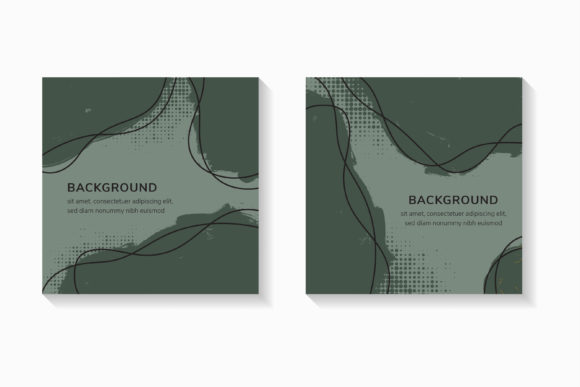
The design features dark green modern cover elements mixed with abstract geometric planes textured by a dot halftone pattern. It screams "retro style," evoking the vibe of mid-century diner signs or vintage travel posters. For an embroidery designer or a small business owner, this isn't just a pretty picture; it is a texture generator. The question I always ask myself before downloading any file is: does this translate well from screen to fabric? After running several tests on scrap materials, here is my honest assessment of how this embroidery file performs in a professional setting.
First Impressions and Mood
The moment you place this background under your hoop, the retro aesthetic jumps out. The dark green tones are rich and grounding, which immediately suggests quality and durability. Unlike flat, solid colors that can sometimes look boring on a sweatshirt or a tote bag, the halftone dot pattern adds a layer of visual interest that mimics print textures. This is crucial because embroidery relies on light reflection from thread to create depth. The geometric planes break up the space in a way that feels structured yet playful.
This design naturally belongs in projects that require a strong brand identity or a nostalgic feel. It feels right at home on a boutique product line for a coffee shop, a craft fair display, or a personalized gift for a vintage car enthusiast. The square format is versatile, allowing it to serve as a standalone patch or a backdrop for text-heavy designs. However, the "architectural" nature of the composition means it demands precision. If the stitching is sloppy, the clean lines of the geometry will look jagged rather than sharp.
Real-World Application: The Custom Tote Bag Scenario
Let's imagine a real-life scenario where I needed to prepare a custom embroidered tote bag for a client who runs a local artisanal bakery. They wanted something that felt "handmade" but also modern enough to stand out on social media. I decided to use the Green Retro Square Banner Background as the base layer, intending to stitch their logo in the center.
The results were striking. The dark green provided a perfect contrast for white or gold thread used for the bakery name. The halftone texture gave the bag a premium look that customers associate with higher value. When held up to the light, the density of the dots created a subtle shimmer, making the finished product look much more expensive than it actually was. It transformed a simple canvas bag into a statement piece. For an Etsy seller or anyone selling small shop products, this kind of visual upgrade is exactly what drives sales.
I also tested this concept on a baby item—a soft cotton onesie. The retro vibe worked surprisingly well for a gender-neutral nursery theme. The geometric shapes felt modern and safe, avoiding the overly cutesy clichés often found in baby embroidery. However, on such delicate fabric, the stability of the background became a priority. The design required a heavy-duty stabilizer to prevent the fabric from puckering around the dense geometric areas.
Where to Use Caution
While this design has high potential, it is not a magic bullet for every situation. As an experienced reviewer, I must highlight where this embroidery project might struggle. First, avoid using this on very small hoop sizes. The intricate dot halftone pattern requires enough space to breathe; if you shrink it too much, the individual dots will merge into a muddy blob during stitching, losing all definition.
Second, be careful with stretchy fabrics like jersey knits. The geometric planes and fill stitches can pull the fabric unevenly if the stabilizer isn't perfectly matched to the material. On thin or sheer fabrics, the density of the background might be too heavy, causing the garment to lose its drape. Similarly, on dark fabrics other than black (like navy or charcoal), the dark green background might disappear entirely unless you use a specific underlay technique or a contrasting border.
Curved surfaces like caps present another challenge. While the square shape works well on flat items like aprons, pillow covers, and kitchen towels, adapting it to a curved brim requires significant digitizing adjustments. The straight lines of the architectural composition can distort if not carefully managed. If you are creating an embroidered patch with a merrow edge, ensure the background fits within the border without cutting off essential details.
Visual Appeal and Customer Trust
In the world of handmade goods, presentation is everything. A well-executed finished product builds customer trust instantly. The Green Retro Square Banner Background elevates the perceived value of any item it adorns. When a buyer sees a crisp, clean geometric background with consistent stitch density, they assume the maker is professional and detail-oriented. Conversely, skipped stitches or misaligned patterns can make even the best design look amateurish.
This design also aids in brand consistency. If you are building a line of merchandise for a holiday gift collection, using this retro green theme across different items—like tea towels, ornaments, and apparel—creates a cohesive look that shoppers recognize. It signals a curated collection rather than a random assortment of items. For digital product sellers, this image serves as an excellent printable mockup element, allowing you to showcase your designs in a realistic context before the physical item is ever made.
Practical Designer Notes for Success
If you decide to incorporate this design into your workflow, follow these practical steps to ensure success. Always test the design on scrap fabric first. You need to see how the thread colors interact with the green background. Does the green clash with your primary thread color? Is the contrast sufficient for readability?
Check the stitch density carefully. The halftone pattern relies on fill stitches, which can trap lint or cause thread breaks if the density is too high. Adjust the settings based on your machine's capabilities. Confirm your hoop size matches the intended output; do not try to force a large design into a small frame. Inspect the small details, particularly the corners of the geometric planes, to ensure they hold their shape.
It is also wise to test the design in black and white mockups. Sometimes, colors that look great on screen lose their distinction when converted to grayscale, which can happen in certain lighting conditions or on printed tags. Compare how the design looks on both light and dark fabric backgrounds to determine versatility. Finally, use proper stabilizer. For this type of architectural design, a cut-away stabilizer is often recommended to maintain the shape over time, especially for items that will undergo frequent washing.
Before using this for commercial purposes, confirm the licensing terms. Are you allowed to sell finished items? Can you modify the design for digital assets? These questions are critical for protecting your craft business. Do not invent assumptions about file formats or compatibility; check the product description for specific technical requirements regarding the digital embroidery file.
In conclusion, the Green Retro Square Banner Background is a powerful tool for designers looking to add a touch of retro sophistication to their work. It bridges the gap between graphic design and textile art effectively. Whether you are creating a custom apparel line, preparing holiday gifts, or expanding your commercial embroidery catalog, this design offers a solid foundation. Just remember that the key to a successful project lies in preparation, testing, and respecting the limitations of the medium. With the right approach, this background can transform a simple piece of fabric into a standout masterpiece.